Pest Control Legends / Episode 42
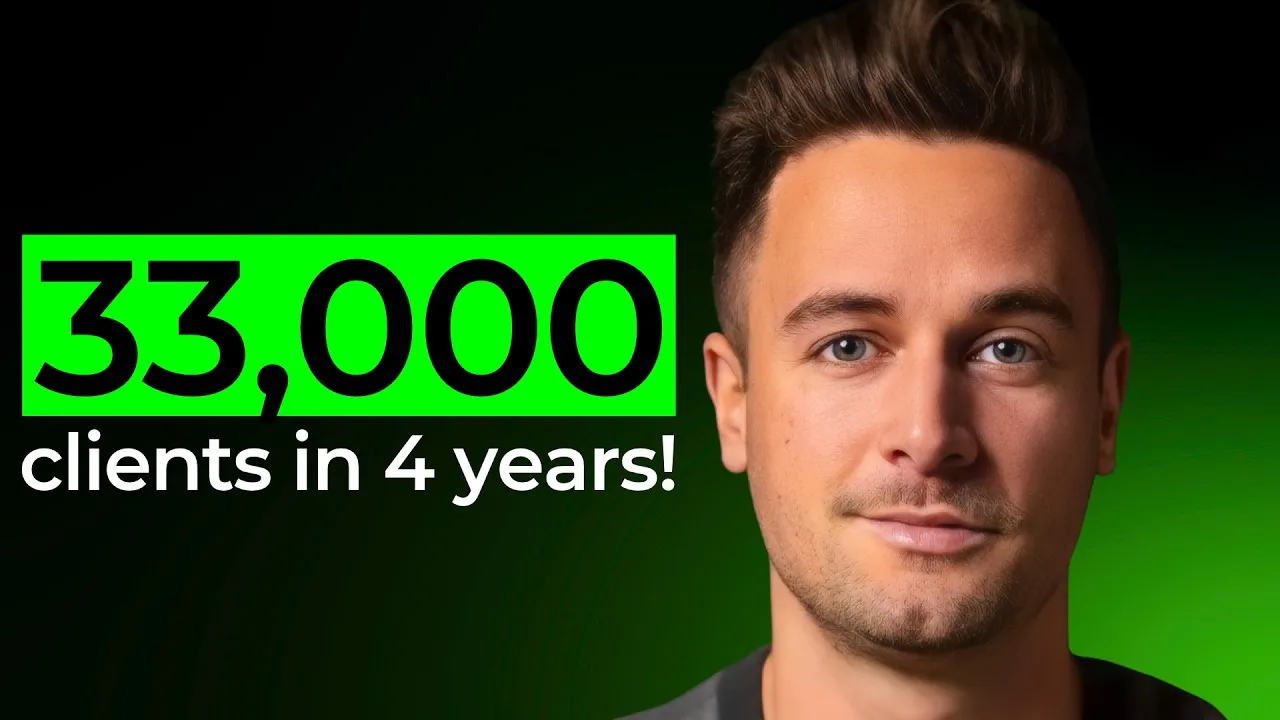
Christian Ludwig on Growing Aruza to 33,000 Customers and Why He Plans to Keep Nativa

Written by Dan Leibrandt, host of Pest Control Legends and founder of Pest Control SEO
Christian Ludwig has already had the exit a lot of owners I talk to are working toward. He helped grow Aruza Pest Control from about 600 customers to 33,000 in just over 4 years and sold it to private equity for eight figures. Now he tells owners not to build a company to sell, and he plans to keep his new one, Nativa Pest Control.
Nativa, in Upstate South Carolina, reached $1.14M in annual recurring revenue in 8 months. It’s also the first company where Christian runs operations himself.
My PCM partner Jonas Olson already talked brand, sales and burnout with Christian, so I made sure to ask what running the operation has taught him.
Who is Christian Ludwig?
Christian Ludwig owns Nativa Pest Control and founded Milecraft, a route optimization platform for pest control companies. Milecraft is a sponsor of Pest Control Millionaires, where I’m a partner.
He started selling pest control door to door in Atlanta the summer before his senior year of college. He serviced 396 accounts in about 12 weeks, a pound-for-pound rookie record at the time, then went on to recruit at Alterra and Aptive, where his team grew to more than 130 reps by his second year.
Then he answered an Instagram message from Solomon, who had started Aruza Pest Control in Charlotte, North Carolina, with his friend Jordan. Aruza was about a year and a half old with around 600 customers. Christian joined as a co-founder, put in his own money and brought his recruits. Aruza made the Inc. 5000 and the PCT Top 100, 3 times each.
A few months after the sale, Christian was bored and starting to get depressed. A friend who’d been one of his top reps at Aruza talked him into starting Nativa, and this time the friend handles sales and recruiting.
You can’t interview for work ethic
Christian has interviewed hundreds of students for door-to-door jobs. Some looked like sure bets to be top interns and quit a week and a half in because it was too hard. So whether he’s hiring for sales or service, every candidate hears the same thing.
“I always say, I don’t know how good you’re gonna do ’till I see you sweat.”
He once turned down a kid who talked way too fast and came across as off-putting. The kid messaged him a week later, then again a week after that. Christian had never seen that kind of persistence from someone he’d rejected, so he let him in. He was the top intern that summer.
An interview shows you someone’s interpersonal skills, Christian says, but you can’t interview for work ethic, and an elite rep needs both.
Door-to-door growth gets paid back slowly
Christian had put on 7,000 accounts in a summer as a recruiter at Aptive, but owning the company was a different animal. Aruza added about 7,000 new customers in his first summer and went on to 33,000 across 6 branches. One year it was No. 256 on the Inc. 5000, which Christian says made it the fastest-growing pest control company in America. Solomon ran operations, hiring technicians and getting trucks every spring to keep up.
Pest control customers pay quarter to quarter, so adding them fast takes capital or serious cash flow from the customers you already have. Aruza ran out of money halfway through that first summer. Christian sold his house, his car and his boat and personally guaranteed another $450,000 in loans.
“You go from making a lot of money to almost going broke on purpose in order to be an entrepreneur and grow a company very quickly.”
Hard money loans carried the next few years, about $5M of them by Christian’s count. When those notes were called, Aruza had to go to market. Before about 2022, their advisor said, an owner who needed capital usually had to sell to a strategic like Terminix or Orkin that wanted the customers and not the owner. With private equity coming in, Aruza ran a bidding process and sold to a private equity buyer in 2022.
Build the company you’d never sell
For plenty of owners, the whole plan is to build for 10 or 20 years and land an eight-figure exit. Christian thinks nobody should make an exit the goal.
Part of it is personal. Going from negative money to a lot of cash at once isn’t healthy, he says, mentally or financially. He’d rather a company pay you every year, like an annuity.
The other part surprised me. A company built to sell, he told me, ends up less attractive to buyers. I said I’d heard the opposite.
“When people have the end in sight to sell the company, they take shortcuts that affect how good the business is. But when you build a business forever, your retention’s typically better, your EBIT is typically better.”
His answer is that if you want to build a company to sell, you build one you never plan to sell. He thinks selling makes sense in your sixties, when you’re ready to retire. Christian never intended to sell Aruza, and his plan for Nativa is to keep it and let it cash flow every year.
Nobody can fake a five-star average
I brought up Jason Carpenter, who spent 0.5% of revenue on marketing and went all in on customer experience. Christian agreed that being obsessed with taking care of your customers is the best go-to-market strategy there is. Nativa gets referrals every day, even at the end of October.
His biggest reason is Google. You can appeal a bad review, Christian says, but you can’t really manipulate your average score, which makes taking great care of customers the biggest hack to organic out there.
Nativa is still in its first year, and Christian says it’s one of the only five-star companies in its market. He puts its average ranking in the organic map results at 1.2 across the market, and its top impression rate on Local Services Ads at 85%. He explains that as showing up at No. 1, ahead of about 20 companies, 85% of the time.
Shoppers check whether you have a heartbeat
Christian spent more than $30,000 this past year on a local photographer and videographer, and he treats Nativa’s Google Business Profile like a social media page. Google now shows your social profiles at the bottom of your Business Profile, and most of your organic and ad customers are shoppers, he says.
“They’re going to your social media pages just to see if your company has a heartbeat.”
According to Christian, most companies have one picture from when they started and a few customer photos of bugs attached to one-star reviews. Hundreds of good photos (trucks included) and several videos make you look like a better company right there on Google. I told him about a profile I’d seen recently with maybe 20 pictures, almost all blurry photos of ticks and cockroaches from the job. That isn’t going to convert anybody.
Christian admits Nativa’s social content hasn’t brought in more than about 2 sales on its own. But a lot of people who found Nativa on Google have said they saw the five stars and loved the social media.
Over dinner at PestWorld, Christian and Allan Draper talked about how owners have spent 20 years wanting a trackable return on every marketing dollar. Christian sees that as the opening, and he likes the harder-to-track things everyone else skips, like billboards, door hangers, yard signs and real content.
A full service beats a minimum time on site
I asked how many stops a day a technician should run. Some companies do 20, Christian said. Nativa runs 12 a day in the warm months and 10 in winter, because each service takes about 45 minutes.
A lot of companies cram in stops, watch customers cancel, then tell techs to stay at least 30 minutes, he says. That changes nothing if the tech sprays the base of the home, de-webs and sits in the truck for 15 minutes. Nativa gives its techs a mandatory list instead. They take 6 laps around the home, treat the crawl space from outside, sweep the eaves and walk the full yard to bait for fire ants, among other steps.
He puts Nativa’s callback rate at about half of any larger company he knows that doesn’t work this way. He calls empathy the opposite of greed, and he thinks boards and outside money push bigger companies toward greed. When I said a service like his lets you charge higher prices, he added referrals, five-star reviews and a lot more organic business.
Why Christian built his own routing software
When I asked what operations had taught him, the first thing Christian said was that routing is dang near impossible to do well.
Milecraft grew out of Nativa’s first winter. Freezing on the doors, Christian started pulling up new move-ins on Redfin and driving to them, selling and spraying on the spot. His friend Nick, a developer who had worked for him at Aptive and Aruza, built him an app to route between those homes. Christian says he sold $300,000 in revenue that way, his best summer ever.
Then his first quarterly customers came due, and Christian decided the intelligent routing in the leading CRMs wasn’t very intelligent. He and Nick ran an A/B test on a month of recurring stops, and he says their routing came out 15% to 20% better.
According to Christian, 4 or 5 more months of work took Milecraft to an average 62% reduction in recurring technician miles compared with that kind of intelligent routing. He credits routing on the real road network instead of as the crow flies, working neighborhoods the way a mail carrier would, and service windows set by service type. He says companies that mostly sell door to door see less, since their routes start out denser, but their A/B tests have all shown 50% or more. At Nativa, he says, the shorter drives made room for about 3 more stops per recurring technician in a day.
My take
Christian credits Nativa’s Google numbers to a 45-minute service and to asking what he’d want done at his own house. I see owners paying an agency something like $1,000 a month to manage a Google Business Profile, when the most important recurring task on it is getting reviews. My team can keep a Business Profile in good shape, but the five stars come from your techs.
I’m always looking for one-time projects that keep paying off, and a professional photographer is one of them. Those photos can work on your website, your Business Profile and Yelp for the next 5 years.
I make my living in digital marketing, and I still think all the attention on digital and AI makes traditional marketing more valuable, because fewer people are doing it. Christian calls that zigging while everyone else zags. It pays off best for an owner who plans to keep the company long enough to collect, which is exactly his plan for Nativa.
Where to find Christian
Christian joked that he’d have to whip out all his social media tags. He pointed people to Instagram, and you can look him up on LinkedIn too.
Read the full transcriptHide the transcript
Full transcript
00:00 Intro
00:00 Dan Leibrandt
Hey everyone and welcome back to Pest Control Legends. I'm your host, Dan Leibrandt, and today I'm with Christian Ludwig, owner of Nativa Pest Control and founder of Milecraft.ai. Christian started as the top rookie rep at Alterra and became the fastest growing recruiter at Aptive. He then co founded Aruza Pest Control, made the Inc. 5000 three times and the PCT 100 three times, and sold it to private equity in an eight figure exit. Now he's back at it with Nativa, which hit 1.14 million in ARR in eight months with no sales team. In this episode, we're going to talk about what he learned from selling Aruza to private equity, how he grew Nativa without a sales team, and how he's using AI to make pest control companies more efficient. Now without further ado, Christian, welcome to the show.
00:48 Christian Ludwig
Thanks for having me, Dan.
00:50 Dan Leibrandt
Of course. Glad to have you here, man. So, Christian, I want to jump back to the very beginning. How did you initially get into pest control?
00:58 Christian Ludwig
Yeah, that's a good question. And for all of Dan's viewers, his background is real. He proved it to me. Yeah, I said it looks way too good. I thought it was AI, but no, he's got an incredible b backdrop for an incredible podcast. So I wanna give you a shout...
01:04 Dan Leibrandt
Ha ha thank you.
01:14 Dan Leibrandt
Yeah, thank you.
01:15 Christian Ludwig
Out there for all the all the skeptical listeners.
01:18 Dan Leibrandt
Thank you. Yes, I'm real, Christian is real. That's part of why I like doing interviews instead of monologues, because at least I can like, okay, well, if I'm not real, then Christian's not real.
01:27 Christian Ludwig
Yeah. You never know these days. You gotta ver you gotta verify everything.
01:31 How Christian got into door-to-door pest control
01:31 Dan Leibrandt
Totally. So cool, man. Yeah, tell me about your background.
01:34 Christian Ludwig
Yeah, so I had aspirations to get into sales early in college and I took a sales internship selling advertising business to business. So there's like a student coupon book that got distributed twice a year that had discounts to all the local food stores, clothing stores, haircuts, whatever. And I found that company at a career fair. So signed up for their internship. They flew me to Chicago. I flew back with two big boxes of media kits and contracts and went business to business selling advertising in the student coupon book and fell in love with sales. I did really well. I was the number two rep out of over six hundred that started the summer. Wanted to get into tech sales, so majored in marketing and minored in information systems. Always fascinated by technology. Have been ever since I was in high school. Maybe it just comes from playing video games when you're young. That's usually the trend I see with people who are tech savvy. But ended up working an internship with the payroll processing company. And they called me right before the summer, after six months of interning with them and said, Hey, we got a new manager in. He's cutting the internship program. So even though you're crushing it. Unfortunately we can't have you. So I was like shucks. I could have, interned with a bunch of good Fortune one thousand companies and technology just because of my resume at that time with the advertising internship. So I was basically out of luck at that point 'cause it's it was already the first week of summer. And then I remember I had a friend who was badgering me to get into pest control. So I ended up driving down to Atlanta and selling pest control door to door. I my junior summer going into my senior year. I was the only non Mormon in the entire company. Every s every Sunday night they were trying to like invite me over for dinner and read the Book of Mormon to me and convert me. Didn't work, but great great group of guys. My first night I went out, the first door we went to, my manager, Thomas Wood, sold the very first house we went to. So I was like, wow, this is this is easy. And that's never the case selling like the first house you go to in your door to door career. It was my turn to start selling, I butchered a few sales within the first hour, ended up selling two my first evening, sold five the next day, eight the next day, and then averaged about eight sales a day for the rest of that summer. And I serviced three hundred and ninety six accounts in about twelve weeks, which was a pound for pound rookie record in the industry at that time. Came back to work for Alterra, started recruiting, built up a team of like forty two that finished the summer the first year and then over a hundred and thirty that finished the second year and made pretty good six figure money doing that. But I really had an itch to become an entrepreneur because at that point I had already found my home in pest control.
05:00 Christian Ludwig
Many of the listeners here have to this point, and everyone's story of how they got involved looks different. But at a certain point in time, speaking to this audience, which are a bunch of owners in pest control, many of whom probably started out working for a different company, whether it was door-to-door or they were a technician or any any other position in a pest control organization, at a certain point, if you do have the entrepreneurial itch. The question always comes, can I start my own company? And after my second year recruiting, I just feel like I wasn't moving forward intellectually. Despite making an enormous sum of money for the age I was at, something was missing for me. You know, just recruiting and selling all year round. If you get really good at one thing and that's great, but it's not moving you forward intellectually or as a business person. So I made the decision that I wanted to start my own business and bring, you know, fifty of my top reps with me. But I realized it's too risky to kind of start something from scratch and have that much sales volume go on at once. So I ended up responding back to an Instagram DM I had several months earlier from a gentleman named Solomon Earhart and Charlotte, who started a company called Aruza Pest Control with his friend Jordan. And at that time, they were about a year and a half in and had about 600 customers. So once I made that decision that I wanted to be an entrepreneur and own a company, that looked like the safer play to me because I could join in with them, put my capital in. And bring all the recruits and Solomon could manage the operations. Because there's a big difference between standing a company up from zero and putting on a bunch of door-to-door accounts and then having like a base of customers, a few technicians, an office person, it's a lot easier to scale that than it is to scale from ground zero and then put on something like seven thousand accounts, which is what we did that year.
07:16 Christian Ludwig
Yeah, so we put on seven thousand new customers that first summer I was there. And then in three more summers we had grown to thirty three thousand customers in total, six branches. Yeah. And I was twenty nine years old at the time. And we scaled with hard money loans. We had about five million dollars of hard money loans levered into the business. That basically fronted the capital to be able to grow that quickly and those notes were being called. So we had no choice but to go to market. When we met with an advisor, he said that it's not the end of the world because typically prior to that period of time around 2022, if you needed capital or you had to sell your company or sell a branch, you had to sell to a strategic like Terminix or Orkin, and they just want your customers. They don't want you staying on board to run the company. So it's either like you lose your company or you go bankrupt when you're in those situations.
08:30 Christian Ludwig
So he told us that private equity was coming pretty heavily into the industry. So we chose to go that route, met with a few private equity companies, had a bidding process.
08:49 What makes a great door-to-door salesperson
08:49 Christian Ludwig
And ended up selling to private equity.
08:49 Dan Leibrandt
Hmm. Awesome. Incredible story. One thing I want to make sure to ask around that is you know, it seemed like you were kind of a natural at door to door sales. You were crushing it and like, you know, breaking records and all that. What made you such a good door to door rep? And what made you different from others?
09:08 Christian Ludwig
Yeah, it's a question. I think s sales in general, especially what I see with top performing sales reps, they're naturally very talented. It's like it's like getting to the pinnacle in anything, right? Like getting to the pinnacle of a sport. Like soccer, for instance. Obviously, you know, someone like Messi has innate talents he's born with, but he also is a hard worker and he builds those talents into real skills. So same goes with sales. There are certain people who have the gift of gab who are high IQ and can think quickly on their feet and know how to problem solve very well, because at the end of the day that's what sales is problem solving. Those people who can work very hard not only just the hours that they put in, and how obsessive they get with their craft, but also how hard they work to build theirs their natural talents into real skills. So one, you know, you get lucky just like being athletic, you get lucky that you just happen to be good at communication sales and problem solving. Two, you need to be a sponge and absorb you need to learn because you're not the best at what you're doing when you start doing something.
10:35 Christian Ludwig
It at least for five or ten years minimum. So read every book out there, listened to every audio tape, found mentors, and then three, how how much harder do you work than everyone else who's doing what you do? So for instance, the first internship I had selling advertising business to business, what I did to separate myself there is I started meeting with business owners before the internship even started. Or, you know, we were selling advertising in a student coupon book, right? And typically they sign up for the service and then the artist for the company makes their advertising. I chose just to make the art myself and show them what it could look like during the sales process. No one no no other of the six hundred interns did that. So I was willing to do things that people were not willing to do, and I was willing to separate myself and be unique. And I was most importantly, if you're selling, you're trying to benefit somebody, you're trying to sell a service to somebody. So I just did a better job helping the people I was trying to help. And that's what it comes to. It's so f what I hate to fast forward so much, but here's a really good analogy for so I was considering doing billboards this first year. I'm a big believer in branding. It's a long-term investment, but it works. So I was looking into doing billboards in the market we're in. And I get connected with a local sales rep here in town. Really nice lady to talk to. But shh, she's kinda like, yeah, what c what type of billboard are you interested in? I'm like, okay, the smaller ones that are print, because I think you can't see the digital ones very well in the sunlight. And she's like, okay, just go online and look and find which ones you want and just get back to me. And I'm like, man, if I was in this lady's shoes, I would say, Okay, Mr. Christian, here's what I'm gonna do for you. You've kind of given me a flavor of what you're looking for. I'm personally gonna go out for a week. I'm gonna find the top ten billboards that I like that are on the market right now. I'm gonna send you a PDF of pictures and locations and we're gonna go from there. That's what separates an elite salesperson is getting getting to work for the customer before the company actually gets to gets to work for them. Does that make sense? Drive val drive value before your company is actually driving value.
13:12 Dan Leibrandt
Yeah. And I guess part of that is making the sale have less friction. Now, if you already show them make every single and of course you know this, I don't have to tell you this, every single step of the process as easy as possible. Just like whoop, and now you've paid, you know, twenty thousand dollars for the billboard.
13:32 Christian Ludwig
So it's the creativity there, right? But it's also it's also just being willing to do extra work that most salespeople are not. And when I applied that to a door to door setting, there's not a lot you can do to, you know, put yourself to work in pest control before actually doing the service. It's a it's not as creative, it's more transactional. But nevertheless I still separated myself by skipping the morning meetings and going out to sell early, not taking, you know, a hour, two hour long lunch with the team in like an air conditioned restaurant, just eating a quick sandwich in the car, taking a quick nap. As gross as it sounds, just peeing in a bottle in the car instead of going to a gas station just everything you can possibly think of to maximize your your selling time. So...
14:33 Dan Leibrandt
Hmm. Yeah. That makes sense. And I totally respect that. And so few people are willing to do that. And they'll stay at around the seven same revenue for 10 years and be like, well, why aren't I growing? It's like, well, because you're actually you're only actually working like six hours a day. You're like a lot of your time is while you're you're driving or you're on the phone with someone, or it's something that you could outsource. So It seems like you really were making the most of your time and most most owners don't.
15:06 Christian Ludwig
Yeah, I think most com most people in general are just contempt with being average or just doing enough to get by. But I think anyone who is the best at anything is obsessed with what they do and obsessed with their craft.
15:25 Dan Leibrandt
Totally. And I was also gonna go back to your point of talent. I think that's a super underrated thing that most people don't acknowledge because it's almost uncomfortable. Of like I and I like the Messi example or anyone, like a Tom Brady. If I were to go up to Tom Brady and be like, you know, how do I get like you? How like, you know, just show me the exact steps to be just like you and so I can win six rank. Yeah.
15:46 Christian Ludwig
Yeah, well well f well first you gotta be six four in athletic, right? I think you might you're actually pretty tall and I don't know if you're an athlete, but there are prerequisites to being a top athlete, right? Like I played tennis my whole life and if I was on the pro tennis tour I'd be the shortest person on the pro tennis tour and that would be a big disadvantage. So there's disadvantages intellectually as well as interpersonally when it comes to sales.
16:15 Dan Leibrandt
Hmm. Well, so then for the average person, would the advice be, maybe you don't have a ton of talent, especially regarding sales, that you just you go find talented people? How do you know someone's talented?
16:29 Christian Ludwig
Well, this is what I would say to mean, I still say this today to anyone I interview, whether they're on the service side or the sales side. Anyone can come across well in an interview and they could be talented, but I always say, I don't know how good you're gonna do 'till I see you sweat. Right? It doesn't matter how talented someone is if they're not willing to work hard and I especially in my days recruiting with with Aptive or when I owned Aruza, I got to interview hundreds and hundreds of students and then see them go through the process. And there there are plenty of people where I think they're I would put money on them to be one of the top interns. And then they quit the first week and a half just 'cause it's too hard. So someone can have all the talent in the world and come across in an exceptional way, but you know, can they pair that with hard work ethic. And at the same time, there's some people I'd I would turn down from the job. There's a there's this one kid. I'll leave his name out, but I actually turned him down from the internship because he had a very heavy accent, he was talking way too fast, just really off putting during the interview process. And I could just see him being off putting in front of like our customers on the doors. So I turned him down for the internship and a week later he hits me back up and I say, I'm sorry, like you're not gonna be part of the internship program. A week later he hits me up again. And I stopped and I thought about it and I said to myself, I've never had this level of persistence from somebody that I've turned down. So I accepted him and he was our top top intern that summer. J and not necessarily talented.
18:24 Christian Ludwig
Sharp guy, not the best interpersonal skills, but the dude was just hungrier and willing to work harder and willing to do everything that anyone else was not willing to do. So that's an example of someone who lacked on the talent end, but had every bit and piece of the obsessiveness and the hard work ethic.
18:46 Dan Leibrandt
Mm, totally makes sense.
18:48 Christian Ludwig
So when you when you blend when you blend the two together you get your your very elite sales rep. Yeah. And you can't enter you can't interview for it.
18:54 Dan Leibrandt
Yeah, world class. So yeah.
19:00 Christian Ludwig
You can interview for half of it, the interpersonal skills, but you can't interview for the work ethic.
19:05 Dan Leibrandt
Yeah. And that's so funny you guys almost didn't hire him. But I guess if someone is so persistent like that's you and this for a door to door role, it's like, well, dang, this is the job. So you're you're demonstrating competence in the role. So and so th I guess that's kind of the nuances around hiring, but specifically I want to ask so you said I believe thirty three thousand accounts for Aruza in three years, is that right?
19:13 Christian Ludwig
It kinda shows, right? Yeah. Mm-hmm.
19:16 Putting on 33,000 accounts in three years at Aruza
19:35 Christian Ludwig
It was about four and a half years since yeah, from when I came on.
19:37 Dan Leibrandt
Four and half years. So yeah. So tell me about that. What does that look like at scale? How do you put on that many accounts? And like, did you get lucky or what's the secret?
19:51 Christian Ludwig
I mean I was I was already used to it, right? When I was at Aptive we put on seven thousand accounts, my second summer recruiting. So I had already done it. The question is going from not having to worry about operations or capital funding of a business, working for another company to now owning a company and having to worry about operations and capital funding of the business. It's a totally different animal. That first summer when when I partnered with Solomon and Jordan at Aruza, I put the seven thousand seven hundred thousand dollars that I had into the business and it was not enough to put on seven thousand customers. 'Cause in pest control, they're not paying you up front, right? It's a quarter to quarter kind of thing. And it takes a long time to get most of the customer's life cycle of revenue in the door. So if you're putting on customers quickly and there's some sort of acquisition cost, you need capital or serious cash flow from existing customers to fund the new customers. So halfway through the summer we ran out of money. So I was selling my house, I sold my car, sold my boat, took a loan out on my life insurance, sold all my stocks, and personally guaranteed another four hundred and fifty thousand dollars of loans. So quickly learned the capital piece is a tricky piece of it. And then we got we found a hard money lender, so that became less of an issue years two, three, and four. But operations, it's definitely difficult to scale that quickly, and I p give all the credit to my partner Solomon because he was strictly in charge of that, and he managed to scale operations to be able to put on those. Door to door counts. So it just it kinda just looks like hiring a bunch of technicians and getting a bunch of trucks each spring. And then doing whatever it takes just to keep up with the sales during the summer.
22:09 Dan Leibrandt
Hmm. So you sold your house, your car, your boat, yeah I mean th all of it. How do you bounce back from that? What was like the turning point afterwards?
22:25 Christian Ludwig
Well, I just basically live like I was poor for four years. We I s Solomon Jordan and I, we just took thirty to thousand dollar salaries after year two, just to live off of during that period of time. But yeah, we didn't yeah, so it's kinda like I went from having a lot of money young, working at Aptive, to, you know, that not being that wasn't an answer for me. That's not that wasn't the North Star challenge an intellectual challenge was my North Star still is and helping people and that's what I focus my companies around these days, whether it's Nativa or Milecraft, they're very mission focused. I'm here to I'm here to help people and the money's just a by product of that. So it just it all h happened 'cause that that was my guiding light, if that makes sense.
23:22 Dan Leibrandt
Yeah. Now it's a crazy story. It's wild. And so you...
23:26 Christian Ludwig
Yeah. So it yeah, you go you go from making a lot of money to almost going broke on purpose in order to be an entrepreneur and grow a company very quickly. And we grew it very fast. Six hundred customers to thirty three thousand in just over four years is pretty aggressive. We were the fastest growing pest control company in the world one year. We were number two fifty six on the Inc. 5000, so we were the fastest growing pest control company in America, probably the world. And the second fastest growing environmental services company in the United States. And then obviously you sell, you get a bunch of money all at once. So it was interesting going from like having negative money to just building up an asset and then having a lot of cash at once. I don't recommend it because going from not much money to having a lot of money at once, you gotta be very careful about what you do with it. I would much prefer to again I never intended to sell Aruza, we kinda had to for the capital injection. But I would much prefer just like w my plan is with Nativa Pest Control just to make it a long term thing and then just cash flow.
24:41 Why you should never build your company to sell
24:49 Christian Ludwig
Every single year. 'Cause it basically becomes like an annuity that pays you each year.
24:54 Dan Leibrandt
Yeah. Talk more on that. And because a lot of owners I talk to, that that is like the whole goal is that you know, you're building this company for 10, 20 years, you hopefully get an eight-figure exit. And that's like the whole thing they're thinking about. And like, you know, w when can I get the exit? Yeah, I'm waiting for it. But you're saying actually maybe that's not what you should be aiming for.
25:16 Christian Ludwig
No one no one should ever have an exit as their North Star or their goal for two separate reasons. One is the reason I just stated that it's not it's not healthy for you mentally or financially to get a bunch of money at once. And the second thing well, tying into that first thing, it's better just to treat your business in a financial aspect of how it will benefit you. It's better to treat it as something you build to cash flow to pay you every year as an annuity that grows for the rest of your life. And the second thing is that when people build a company to sell, it actually becomes a company that's not attractive to buyers. Does that make sense? So it's almost like you wanna b you well, yes, the opposite s so you if you wanna build if you actually wanna build a company to sell, you need to build a company not to sell. If that makes sense. When people have...
26:07 Dan Leibrandt
I've heard the opposite.
26:23 Christian Ludwig
The end in sight to sell the company, they take shortcuts that affect how good the business is. But when you build a business forever, your retention's typically better, your EBIT is typically better, your growth is typically less of a high acquisition. Does that make sense?
26:44 Dan Leibrandt
Yeah, okay. I see what you're saying. Just if you're just building it up for a payday and it's kind of like artificial numbers instead of actually building a good business.
26:46 Christian Ludwig
So...
26:51 Christian Ludwig
Exactly, yes. So for all those reasons I get it sounds sexy like I sell my business and that's the stamp of a good entrepreneur supposedly and you get all this money at once. I'm just here to tell you it's not and you lo you lose your profession, you lose your baby, you lose what you're doing, especially when you're young. I think when you're when you're in your sixties and you're ready to retire, that's a great that's a good idea to sell your business. When you don't want to operate it anymore and you're ready for a big payday, but I think anyone in their twenties, thirties and forties should that they should never sell their business.
27:35 Dan Leibrandt
Hm, gotcha. So you sold I think you sold a few years ago?
27:42 Why he started Nativa Pest Control
27:42 Christian Ludwig
Yeah, it's twenty twenty two.
27:42 Dan Leibrandt
Okay, twenty twenty two. So you sold then and now since then you've started Milecraft, you've started Nativa. So let's start with Nativa and then we'll go to Milecraft. Why did you start another company?
27:57 Christian Ludwig
So I wasn't intending to. I think I started realizing that taking time off from being an entrepreneur, it was definitely nice the first three months just to like come down and decompress, right? And kinda have nothing to do and you're like, this is interesting, it's good for your nervous system. But then yeah it the same reasons in entrepreneurs do do what they do, you can't just turn that off. You can't just turn that obsessiveness, dopamine seeking, ADHD, cr you're like constant cogs turning in the head. Just cause you like retire, sell your business, that doesn't mean that that's like flipped off and you can just be a different person than who you are. Does that make sense?
28:53 Dan Leibrandt
Yeah, of course. I feel that same thing. I've always got to be doing something.
28:56 Christian Ludwig
Yeah, exactly. So I quickly realized and I was kinda bored and starting to get depressed and my buddy Owen, who is one of my top sales reps at Aruza, he was hitting me up for a period of a few months telling me to start a company with him. So I finally obliged. And this is my first time actually running operations. And he's the sales guy and recruiter this time around.
29:25 Dan Leibrandt
Interesting. So...
29:26 Christian Ludwig
So that's a f that's a fun intellectual challenge for me. I get to again, that's my North Star is learning and helping people. So I get to help people with the new pest control company and I get to learn how to run the op side. So that's been a very boy. The first thing I learned pretty quickly is routing is dang near impossible to do well and takes up a lot of time. I learned that actually taking care of your customers is means pretty much doing the opposite of what a lot of pest control companies do to try to maximize their profit.
29:42 Dan Leibrandt
What have you learned about operations?
30:12 Christian Ludwig
I learned that customer experience matters just as much as the actual service protocol.
30:29 Why customer experience beats marketing spend
30:29 Christian Ludwig
And probably ten ten to twenty other different things.
30:29 Dan Leibrandt
Yeah. Yeah. A lot of owners that I talked to. It's all which I'm it's tough for me to say this because I'm a marketer, but a lot of owners just pounding money into marketing. But what I've come to realize, and I think I talked about this with Jason Carpenter, I ha who I had on the last podcast, most recent one, they just sold, I don't know for exactly how much, but somewhere eight figures range. Great guy, great exit. And they said that they were putting point five percent. Of their revenue into marketing and that they were doing exactly it seems like what you're doing here is like all in on customer experience. And what I've found is that that's actually potentially the best marketing strategy because if you have such a great service, then everyone tells everyone else about it. And there's a compound effect.
31:15 Christian Ludwig
It's compl it's I love that you said it like that. You put it you put into words better than I could. It's the best go to market strategy is actually being obsessed with taking care of your customers well. For a few reasons. So I'll dive into it. One is obviously referrals. We get referrals every single day. And it's the end of October right now. It's not pest season. You get more trucks on the road so more people see you. But the biggest thing is there's no cheating five stars on Google. There there's just not. Anyone can appeal bad reviews and try to get them removed, right? But there's no manipulating five star you can ask your customers for a five star review, of course. But there's really not much manipulating your your average review score on Google. If you are obsessive with taking care of your customers and you put a lot of money, time and effort into your brand and your service to where your customers love you will have hundreds of five star reviews. And it is the biggest hack to organic out there, period. I don't care what anybody says, nothing is more powerful than having five stars on Google. And I've seen many successful businesses build their whole business around that and grow organically. Multiple times faster than any other company in their market and that's what we've seen this year. Two hundred seventy five plus five star reviews and we just dominate local service ads and we dominate organic SEO. We're number one point two is our average raking in our entire market for organic map pack ranking and we're we're in year one. And we our top impression rate on Google LSA is 85%, which basically means we're being shown at number one over like 20 different companies 85% of the time because Google thinks we're best for our customers and we're getting booked the most and people are leaving the best reviews. So and we're the we're really one of the only five-star companies in our entire market. So if you do it.
33:37 Christian Ludwig
And you can only do it by having the best customer experience, the best service, and your customers actually loving you. You can you can dominate on the marketing side at a at a healthy acquisition cost. Now you can sprink you can sprinkle in the door-to-door, you can sprinkle in the Google AdWords, all all other sorts of marketing styles, brand, but nothing's more important than having happy customers, like you said, both for referrals but also for owning the Goog the Google page.
33:52 Dan Leibrandt
Hm, for sure.
34:14 Treating your Google Business Profile like social media
34:14 Dan Leibrandt
Yeah, totally. Yeah, I've seen that as well. And I see some owners that pay, I don't know, an agency like a thousand dollars a month to manage a Google Business Profile. But actually, of course, because I've gone pretty deep on local SEO, the number one recurring task on your Google Business Profile is getting reviews. So that's not even something you have an agency do. So I totally agree. I think reviews are only gonna become more important and you just...
34:38 Christian Ludwig
And to layer into that real quick before I forget. So not only getting reviews on the Google Business Profile, but cons having real social media content. And we've invested over I think thirty thousand dollars this past year in a local photographer and videographer to make our social media profiles look nice and we treat Google Business Profile like it's a social media. So there's two different reasons why this works. One is for people shopping you. Of course, they see the five stars, but now Google shows at the bottom of your Google Business Profile all your social media profiles. So now more than ever, shoppers, which is who most of your organic customers or ad customers are. They're going to your social media pages just to see if your company has a heartbeat. And then if you treat your Google Business Profile like a social media page and you have hundreds of pictures and multiple videos on your Google Business Profile, you just look like a better ad, or you just look like a better company right there on Google.
35:54 Dan Leibrandt
Mm, yeah. Yeah. Now I...
35:55 Christian Ludwig
That makes sense. Because most companies have one picture they took right when they started their business and then a few weird customer pictures of pictures of bugs or something where they're leaving a one star review. So if you can separate yourself by having a lot of nice content on your Google Business Profile and a lot of beautiful pictures, it really stands out. And then if you have five stars beside that, it's kind of game over.
36:19 Dan Leibrandt
Yeah, totally agree. Yeah, I've audited hundreds of Google Business profiles. One one that I just saw recently was like they had maybe 20 pictures, and almost all of them were like blurry photos they took on the job of ticks and cockroaches. I'm like, guys, this is not going to convert customers.
36:33 Christian Ludwig
Yeah, exactly. That's par for the course. That's par for the course...
36:38 Dan Leibrandt
Yeah, exactly. And let's see, I had another point on that as well. Yeah, with the photography. I think that's a great thing that almost no companies invest in. And I'm such a big believer in like what are one time things we can do for infinite return? And having a professional photographer is one of them. You get those photos once, now you can use them on your website and Google Business Profile and Yelp for the next five years. And you know, of course you do it one time, but probably tens of thousands of people see those pictures.
37:10 Christian Ludwig
Mm-hmm. I was having a conversation with Allan Draper over dinner at PestWorld. And it seems like, you know, the past twenty years with with digital marketing or just marketing in general for PCOs, they feel like there has to be an immediate like return on ad spend and a trackable return on ad spend. And I think people have been weary of doing things where it's difficult to track return. But I almost think that's what creates the opportunity. You're almost zigging when everyone's zagging, right? So everyone's doing AdWords, everyone's piling money into Meta and Instagram and all these ABCs that you hear about. But then what if you choose to do everything else? What if you choose to do billboards? What if you choose to do door hangers and yard signs and these things we've been discussing that don't have some type of like immediate or like build a social media profile and invest forty thousand dollars a year into that in terms of making content? We haven't gotten like really more than two sales from our our content on social media, but we've had a lot of people who have found us on Google who are like, I saw you had five stars and we loved your social media. You see what I'm saying? So it also it helps everything else you're doing synergistically. And I think there's opportunity to do the branding stuff that no one else is doing because everyone's looking for the immediate return and visibility of return. That it actually almost creates an opportunity to focus on brand and play the long game. And it seems like some of the newer companies out there are leaning heavily into brand and it's paying dividends in terms of like organic traction, referrals, those kinds of customer types.
39:20 Dan Leibrandt
Yeah. Yeah. It's tough because I'm all about like call tracking and knowing which lead sources are working and such. But with something like social media or billboards, it's so tough to say because like it could be that I maybe, you know, someone sees your billboard every single day on the way to work. And they still maybe when they do a pest control search, they just search up like pest control near me. But they pick your company and they don't even really remember why. But subconsciously, it's like ingrained that they like and trust your company because they've seen it so much.
39:51 Christian Ludwig
Exactly. Something vaguely s exactly. That's why you also need good pictures of your trucks on your Google Business Profile.
40:01 Dan Leibrandt
Mm-hmm. Totally. Yeah. So I'm right there with you. I think, and it's funny because again, kind of tough for me to say this as like a digital marketer, but when everyone's going so hard on digital and AI and all of this, actually to a degree, it makes the tr traditional more valuable because it's there's more real estate, less people are doing it.
40:18 Christian Ludwig
That's what I that's kinda my hope. That's yeah, you're you're zigging while everyone is zagging.
40:24 Why he built Milecraft
40:24 Dan Leibrandt
Yeah, for sure. And now I want to dive into Milecraft. So th this is a new platform that you released, I think about six months ago or so. So tell us why did you start Milecraft and what is it?
40:38 Christian Ludwig
Yeah, I didn't I didn't just start Milecraft for the sake of starting Milecraft. So it's actually funny how I kinda winded my way into it. So when I started Nativa, we just started by selling door to door and then, you know, spraying our customers on the spot 'cause that's just the most efficient way to start a pest control business. But it was the middle of winter and I was freezing my butt off. So I started pulling up new movements in my area on Redfin and just driving to those homes because I could be in the heat of my truck and then pitching them and if I sold them I'd spray them and if not I'd go to the next Redfin. But I quickly realized I didn't know which Redfin homes I've already been to before. I didn't have any way to track their outcomes. So I hit up a friend of mine, Nick, who worked for me at Aptive and Aruza. Being a salesperson and a technician, and he's a developer, he's a coder. So I had him build me an app, mainly for my own use, that you circle on a map your territory, and then you can choose a look back period for how recently someone's moved into their home and it builds a hyper efficient route to take you between those opportunities. So we spent like three months building the routing algorithm and designing the app and I use that strategy. My strategy is I just circled our whole market and I choose a year's look back period. So every day I would just open my app, press navigate, go to that house, sell spray, press navigated immediately bring me to the next house on the route. So I sold three hundred thousand of revenue, which is my best summer ever doing that, and I never had to once knock door to door. So that was pretty awesome.
42:30 Christian Ludwig
And then once we had enough customers, I realized I had to start scheduling my recurring visits. Cause my first quarterly customers that I sold three months ago were coming up, and it was time to have start organizing my first recording recurring routes. And I quickly realized that the current leading CRMs their smart routing or their intelligent routing actually isn't very intelligent.
43:02 Dan Leibrandt
Ha.
43:03 Christian Ludwig
Ki kind of archaic in terms of functionality. It's been around for 10 plus years. So I went I went back to Nick and I said, hey, we already have a routing algorithm that we work three months on that has ninety different rules of what to do and what not to do. Telling AI how to build an efficient route. So I said, Hey, it would be really cool if we could automate this recurring scheduling and that was just the original goal was to automate it. And then once we kinda had the automation, I asked and said, I wonder if this is more efficient than what intelligent or smart routing was doing. So we did an A B test. I scheduled my next month with the intelligent routing that the CRM has. And then I we did our way of doing it, and it was 15 to 20% better. So then Nick and I spent the next like four or five months really diving into how to create hyper efficient routes. And there are a few different methods that we manipulated to finally get to a 62% average reduction in all recurring tech miles. So one one is doing routes by road network, not as the crow flies. So our system has every road in the United States saved into it. Another is having a custom algorithm that Correctly routes customers in a mail carrier style efficient way. And there's a lot of assumptions you have to do to get to building perfect routes. So for instance, if we're in a neighborhood that's a peninsula on a lake, we gotta hit all these homes in the neighborhood before going outside of the neighborhood, even if there's a home across the water that's closer to the home when you're driving on the left side of the street. So there's like a hundred different things you have to put into the algorithm being boots on the ground to build it as efficiently as possible. And then third, customer service type windows. So your mosquitoes, what flexibility do you do you give your mosquito customers from their due date, their next due date? What flexibility do you give your termite inspections from their due date? What flexibility do you give your pest control customers from their due date? And then building coding algorithms around how to best sort those customers based off their due dates to be efficiently grouped together.
45:50 Christian Ludwig
So essentially we start a GitHub repository, we started coding, and we have hundreds of thousands of lines of code that are algorithms that basically instruct the our AI agents on what to do to build. Hyper efficient routes. So as I mentioned in Jonas' podcast, anyone can if you still gotta be tech savvy to set up an MCP and start a Grok Bot or something. Anyone can do that and you're gonna have there's opportunity cost with your time. You have to spend a lot of time doing this when you could be building doing revenue generating activities. Anyone can do that and get about fifteen percent, twenty percent max efficiency gap. Less less driving for your recurring technicians. But we just went the extra mile and refined actual coded algorithms. Because at the end of the day, like Jonas said, your your results with AI are is only as good as the prompts or the training that AI's had. So what it what an algorithm actually does is it circumvents all the AI training and it's like you don't need training. We're gonna tell you exactly what math we need you to do.
47:05 How AI routing cut technician miles by 62%
47:05 Christian Ludwig
And it does it. So we are able to push the efficiency all the way to an average of sixty-two percent less base to base recurring technician miles. We have a fully automated system where it schedules everyone's recurring services into the CRM you're used to week by week. And there's a dashboard on on our back end where you can set all the technician and all the service type assumptions.
47:28 Dan Leibrandt
Hmm. Super impressive. J just be clear on that set. I think you clarified it, but so sixty two percent that's of sixty two percent of drive time saved, or you said that's miles.
47:41 Christian Ludwig
Sixty two percent of miles, which would also equate equally to drive time. Yes. So yeah, that does mean yes, your fuel b your fuel wheel is gonna get cut in half, your wear and tear on the vehicles gonna get cut in half, vehicle depreciation with putting miles on, lia insurance and liability, your technicians are driving less than half the time they're used to, so there's much less liability on the road. The big thing I don't currently have a big company and the big thing I've learned demoing this with some rather large companies recently is they have three or four schedulers who just schedule recurring routes. So I didn't even think about, being able to not not have to have recurring schedulers is a pretty powerful thing in terms of savings. And then at a sixty two percent reduction, which is our average, that's a twelve percent savings on technician payroll as well. And that's not that's not including avoiding overtime.
48:43 Dan Leibrandt
Yeah. It's crazy 'cause I think you guys have most well I well, you've mentioned reputation and Google Business Profile, but so you guys have grown Nativa a good amount through door to door, right?
48:56 Christian Ludwig
Yeah, so my partner sold a golden door, so he was now over a thousand of those eighteen hundred plus subscriptions that we currently have.
49:06 Dan Leibrandt
Okay. It was the point I was gonna make there was well, usually when companies do door to door, they have tighter routes and that's a pro of doing door to door. So I can't believe that you're getting this much time back even though you do door to door.
49:21 Christian Ludwig
Yeah, yeah. So we have noticed that the door to door companies there's a less of a result than those that don't do door to door. 'Cause if you don't do door to door you're just servicing people the first time whenever they call you, wherever they are in your market, versus door to door, you're putting on a bunch of customers in a dense area. But yeah, there's several companies who are predominantly door to door, like my own, that use us or are doing A B tests right now or ha are demoing, and their A B tests are are all fifty plus percent reduction in all tech miles.
49:39 Dan Leibrandt
Yeah, it's everywhere.
50:01 Dan Leibrandt
Hmm, awesome. Yeah, I think with the people in our program, you know, we have, I don't know, maybe around 350 people in the program at this point. And very few of them do door to door, even though I'm sure they know it works. And that's one of the ways Jonas has grown super fast. So I'm sure it's a big opportunity for like a lot of these owners in my network and listeners. Like, so if you were to estimate maybe this might be the 62 number. But if you were to estimate maybe the average million dollar pest control company, let's say they don't do door to door, what could they expect the result to be of using Milecraft?
50:40 Christian Ludwig
I think they would probably be above a sixty two percent reduction in all referring models. And it also...
50:46 Dan Leibrandt
Wow. Eve even if they're already using a FieldRoutes intelligent routing.
50:52 Christian Ludwig
So that it so that average reduction is compared to field like a FieldRoutes intelligent routing. That's this isn't compared to someone just scheduling customers on their due date. If that was a comparison, it'd be far above seventy percent. Our result that average is versus intelligent routing.
51:12 Dan Leibrandt
Wow. And so what does that look like in terms of maybe like what therefore is the result of that? More revenue, more time saved?
51:24 Christian Ludwig
So the quickest thing I realized when we really got it dialed in and we were really having a bunch of savings is that I had I didn't have like enough services on each recurring technician because when you shrink the drive times down so much, you can fit like another three stops on a technician working the same amount of hours in a day. And it was it was really nice because that efficiency boost coincided with the middle of the summer season when we were slammed and we were just needing to get starts on with whoever. So it really freed up a lot of production opportunity on those recurring techs to help out with the starts.
52:09 How many stops a day technicians should run
52:09 Dan Leibrandt
Mm. How many stops a day should owners a try to aim for on average?
52:16 Christian Ludwig
So I there are companies that do twenty stops a day. There are companies like me who only do ten stops a day during the winter time. It just depends how much focus you want to put towards doing an amazing job for the customer, or how much you want to try to like push the boundaries of gross margin by not giving the customer a lengthy amount of time to be serviced. So and I also think it's important to have a good service protocol because there are a lot of companies who do a lot of services in a day and then they see the third order effects of that in terms of customers canceling or not being happy. And then they're just like, all right, we're gonna tell our technicians they need to be there a minimum of 30 minutes. Okay, well now they're just gonna go spray the base of the home in de-web and sit in their truck for 15 minutes. You're not changing anything. You gotta give them stuff to do that's mandatory to do. So, my company, for instance, we spend an average of 45 minutes at the house. We take six laps around the home. We use a pest blaster dust gun. We treat the crawl space through the outside by pulling the trigger on the gun. We treat under the window seals, the doors, we power spray the base of the home, we do a 10-foot repellent granular, we do an all-natural rodent repellent around the base of the home, we sweep the eaves. We walk the full yard and we bait for fire ants. So that actually takes 45 minutes. So we're not just telling, hey, you gotta be at the home a minimum amount of this time. No. Do the full service. And it just happens to be 45 minutes, and we can take care of 12 people in a day during the warm months and 10 people a day during the winter when it's not daylight savings time. And our our retention's amazing, customers love the service.
54:13 Christian Ludwig
Our callback rate is like half of any larger company I know that doesn't use this strategy. Again, it's just like the way to win is to pour into your customer and do everything you can possibly imagine. And it really takes empathy's the opposite of greed, right? There are too many owners out there, especially the larger companies get, the more I just they're almost incentivized to be greedy because they have boards and they have private funding and stuff like that. That's actually the opposite of what you wanna do to have a healthy business. What I found is being empathetic and putting yourself in the homeowners shoes, what would I want my company's experience to look like? What would I wanna see get done at my house? You see what I'm saying?
55:03 Dan Leibrandt
Yeah. And that that allows you to charge higher prices too.
55:07 Christian Ludwig
Higher prices, more referrals, five star reviews, much more organic business. It's it the answer's too easy, right? The answers take really great care of your customers. But for some reason that gets missed by a lot of companies.
55:22 Dan Leibrandt
Yeah, I love that. Mm-hmm. So around like your company, of course you have a lot ex experience with previous companies. How often are you guys servicing? And do you think there's like one right period as to how often to service?
55:45 Christian Ludwig
No, we have a mix. We started out selling bi monthly, and then we went mainly towards quarterly. And you have less reservices with the bi monthly than you do the quarterly, but quarterly's a better bang for the buck for the customer and it's higher margins for the company. So we've kind of settled into doing a quarterly service and the better your service protocol is, the more you're doing on the home, the more efficacious it's gonna be over a longer period of time, and the less callbacks you're gonna receive, anyways. So we went with a quarterly cadence. Mosquitoes are every single month. Mosquitoes are misting with a hundred and twenty degree fan style mist with like the flow zone five and one. I don't think you need a power blower backpack. They're loud and obnoxious. They cost a lot of money up front. They kill squirrels. They kill birds. You just need to mist all the low lying bushes and shrubs and trees. In2Care systems. They do ninety percent of the work. And then larvicide and high moisture areas, like throwing larvicide under the deck and piles of leaves, anywhere where water pulls up. It's very eco-forward approach for mosquitoes. And then 10% of our customers have termite bonds with us. We're in a termite heavy, subterranean termite heavy market. So we do termites as well. And then rodents and fire ants are included in the pest control because if I were a pest control customer, that's what I would want included in my pest control. And I want to have to don't want to be surprised with that later on and have to pay more for that later on.
57:38 Dan Leibrandt
Totally. And I don't own a pest control business, but I would assume that the more and more services you have, and especially if it's on different cadences, the harder and harder it is the schedule and route.
57:52 Christian Ludwig
Yes. Yeah, in scale, as you get bigger, it's more and more difficult to route the more customers you have.
58:03 Is software dead in the age of AI
58:03 Dan Leibrandt
Uh-huh. One of the final questions I had for you, Christian, was and I just want to clarify this, 'cause I was almost confused. You said on Jonas's podcast, you said software is completely dead. I don't think you were quoting someone. I think you were saying that, but of course you own a software company. So can you explain what you meant by that?
58:25 Christian Ludwig
Yeah, so a lot of software doesn't have much moat anymore. Meaning a lot of people can kind of create their own workflows for things. Automating routing can be one of those workflows if you're tech savvy enough. But fortunately for for my business, hyper efficient routing and getting as much savings as you can in terms of mile reduction. It takes a lot to go from a ten fifteen percent reduction to a sixty two percent reduction. So luckily this is one of the softwares that has a moat because you actually have to build algorithms to instruct the AI what to do. But a lot of other softwares don't have much moat. About seven years back the big softwares were, companies like a Podium where you send automatic text to your customers to get reviews. That takes that's a simple API and Yeah, e exactly. So there's a lot of softwares that no longer have emote, so it's an opportunity for business owners to save money. That's also why I'm pretty amped on hyper efficient routing.
59:34 Dan Leibrandt
Anyone can do that.
59:51 Christian Ludwig
Because it's basically complex math problems that need to be solved. There's more opportunities to move your customers around within their subscriptions and their service type around within their service window. There's more opportunities of what a month can look like in terms of the schedule and where the customers are than there are grains of sand on Earth. So our algorithms instruct the AI or superintelligence as we now call it to do millions of transition comparisons and then schedule them within schedule them within a day clustered tightly together and then using our our routing algorithm to then determine the way the route will move through those groups of customers, how to order them on the day based off of AD plus different roles. So we're we're pretty thrilled with the value prop here as well as how our first customers and those doing demos and A B tests are receiving it.
1:01:04 Dan Leibrandt
Mm-hmm. Yes, as I've dove into software and AI agents and all of that, I've come to that same conclusion that it's like there needs to be some kind of moat that you have some kind of trust and influence, or there's some kind of unique mechanism in the product that someone can't just vibe code in a day. And it seems like you guys do that. And that's part of the reason why I wanted to have you on the podcast here is because I'm a big believer in your product and also full transparency for people listening. You guys are also a recent sponsor of ours for Pest Control Millionaires. So if people are interested in using Milecraft, which I would say at the very least, just book a call and learn about it because this is like this is one of those tools and one of the things in your business that hasn't really been taken advantage of, I want to assume. Like there, there are tools for other things, you know, maybe there's like Clicki for referrals and these other kind of tools that have already been built out. But to my knowledge, there hasn't really been anything developed outside of the already built-in tools within, FieldRoutes and GorillaDesk. So I would highly encourage everyone to go book a call with them, learn more about the product, see what it's about. And the link for that will be the first link in the description. So everyone can go click on that and go contact them. And also just so I'm clear on this, did I hear that you guys like charge per time saved or how does that work?
1:02:32 How Milecraft pricing works
1:02:35 Christian Ludwig
So we charge per scheduled service. So there's no there's no minimums per month. So whether you I talk to a gentleman in Y'all's program who has two hundred customers and we can we can serve him at the same cost that we can serve companies with eighty thousand plus customers that I'm talking to. They're just paying a proportion they're paying per scheduled service. So it benefits everyone the same for the exact same ratio of cost and I've talked to some companies, they're few and far between, but some companies who have set up their own automation for scheduling and I asked them, Well, that's great, how long did it take you to get that together? And they're like, Weeks of time spent in front of a computer. I'm like, Okay, how do you is it saving you any mileage with your technicians? And they're like, we don't know.
1:03:29 Christian Ludwig
So it's like, all then you've just created an automation, you haven't created hyper efficient routing and those who, I have encouraged to go try it if they w wanna sacrifice the time like I did on Jonas's podcast, they'll get that ten to twenty percent reduction. But our guarantee is if you can prove that you've gotten that reduction, we'll just d decrease our price by that ratio. And our price our price per stop is already on average about one tenth the economic savings that we drive. And that's without including getting rid of recurring schedulers, not having to have it have recurring schedulers. But that's part of our guarantee is if you wanna try to do it yourself and create some sort of chatbot system for recurring schedulers, which is scary because there's no hard set rules or presets for your service types or your technicians. It's just all up in the air in some chat bot and you do an A B test and it's 10 to 15% better and we're 62% better in our A B test for you, we'll discount our fee by that ratio.
1:04:40 Christian Ludwig
Because we want we want you to have the full 62%, we want you to have a robust software, and we want you to have a back end with clear visible rules around your technicians and your service types.
1:04:52 Dan Leibrandt
Yeah. You're saying there's a cost either way. So if you really try and I like the owners I talk to, maybe five to ten percent of them are pretty technical and they try to do the stuff I do, and I'm like...
1:05:04 Christian Ludwig
You ha even to set up automations yourself you have to be technical. Yeah. And you have to have a lot of time on your hands, which most business owners don't.
1:05:13 Dan Leibrandt
Yeah, totally. So I agree for pretty much everyone that the like this is the safe and kind of guaranteed way to go. So sweet. Yeah. So everyone should definitely check out Milecraft. It's Milecraft.ai or click the first link in the description. And also, Christian, last question I have for you, and then I'll let you go. And I ask all my guests is what is your message for the pest control owners out there? What do you want to tell them? What do you think they need to know?
1:05:39 Christian Ludwig
Have a servant's heart. Focus on taking care of your customers as as you would want to be taken care of and as best as you possibly can, and a lot of positive things will come as a byproduct.
1:05:55 Dan Leibrandt
Hmm. Amen. Well, thank you so much for coming on the show, Christian. This has been great. Where can people find you online and connect with you?
1:06:04 Christian Ludwig
Boy, I gotta whip out all my social media tags. I would just say book a demo on Milecraft dot AI or find me on Instagram. My Instagram is Christian L dot U dot D dot twenty three. So you can connect with me there or just look me up on LinkedIn.
1:06:25 Dan Leibrandt
Sweet. So everyone go follow Christian on Instagram and LinkedIn. And yeah, those links will be in the description. And thanks so much for coming on the show, Christian. This has been great.
1:06:36 Christian Ludwig
Yeah, so when when do we get the setting up an incredible video background tutorial? That's it's the nicest background I've seen for for an office.
1:06:43 Dan Leibrandt
Yeah, we'll have to fly out sometime. I can help you. Thank you. At least in the pest control space.
1:06:51 Christian Ludwig
Yeah. And it's very it's very classy and nice worn worn in look as as the ladies say.
1:06:56 Dan Leibrandt
Thank you. Yeah. That was well, thank you. I appreciate it. It took a while and I've been I've been podcasting for a few years now. So I d like back to my point earlier of like one time thing for infinite return. That's how I see setting up the studio. Yeah. I showed you I can pull a clock off the off the setup. Yeah.
1:07:11 Christian Ludwig
Can you can you go ahead and prove it's real for our viewers? Like you did for me. There we go. See? It looks fa it looks fake immediately. Yeah. Now we know.
1:07:21 Dan Leibrandt
No, it's a real background. So no, thank you for the kind words and yeah, hope to stay in touch, man.
THE PEST CONTROL LEGENDS EMAIL
One lesson from the top operators in pest control, every Wednesday
When a new episode of Pest Control Legends comes out, I send you the one thing from it worth using in your business. One short email.

Want more calls from Google?
Book a 30-minute discovery call with Dan to see if we’re a fit.