Pest Control Legends / Episode 43
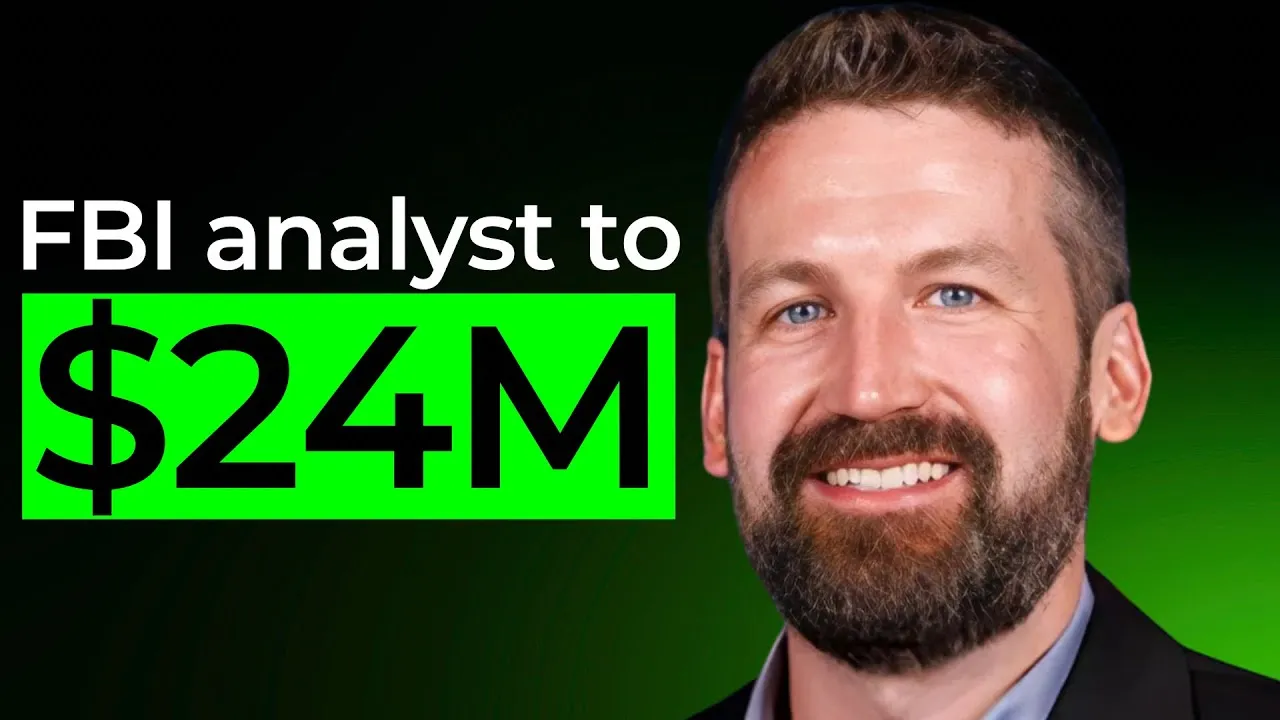
Luke Lewis on Leaving the FBI and Growing Native Pest Management to $24M

Written by Dan Leibrandt, host of Pest Control Legends and founder of Pest Control SEO
In 2013, Luke Lewis was 2 weeks away from his interview to become an FBI agent when a nationwide budget freeze stopped interviews for 12 months. He left, and when he tried to go back, the FBI said he couldn’t. Two weeks after they told him no, he started Native Pest Management.
Eleven years later, Native does $24M a year with 150 employees, and it got there without acquisitions or door-to-door. I’ve talked to a lot of people in pest control, and I didn’t know of anyone else with an FBI background.
Who is Luke Lewis?
Luke Lewis founded Native Pest Management in West Palm Beach, Florida, and runs it as CEO. He earned a master’s in accounting at the University of Florida, then chose the FBI over a Big Four accounting firm. At 23 he asked for New York City, Chicago or DC, and the FBI sent him to Tallahassee, where he spent almost 3 years as an intelligence analyst.
After the freeze, he went home to work for his dad’s landscaping company and hated it. He took an analyst job with the Palm Beach County Sheriff’s Office at half his FBI pay while he tried to get back into the FBI. When that failed, he started Native in 2015 doing only lawns, since a lawn license was all he had. He soon added home pest control and hired an entomologist to show him where to spray. It took almost 4 years to reach $1M.
Today Native has 6 offices across Florida, has made the Inc. 5000 list 6 years in a row and ranks No. 63 on the PCT Top 100. It grew 30% last year, and Luke is going for 30% again.
Moving 500 miles away got him off the trucks
In 2017, when Native had 5 employees, Luke’s family moved to Tallahassee to be near relatives who could help with their young kids. That’s about 500 miles from West Palm Beach. Luke didn’t think he could run Native from there, so he asked a competitor to buy it and was offered $400,000. He thought about taking it and turned it down.
He set up an office in his garage and worked at the computer 7 days a week. When a tech called out sick or quit, he couldn’t fix it himself, so he hired a manager he couldn’t really afford.
“People talk about it, but I don’t know how many people actually live it where they say, Yeah, I’m gonna work on the business, not in the business. Well, I had no other choice.”
Luke guesses that without the move, Native would have maybe 30 employees today. He suggests owners pretend they moved a thousand miles away, even if they never leave town. With more time than he was used to, he went through the free Goldman Sachs 10,000 Small Businesses program and taught himself digital marketing from Neil Patel, YouTube and blogs.
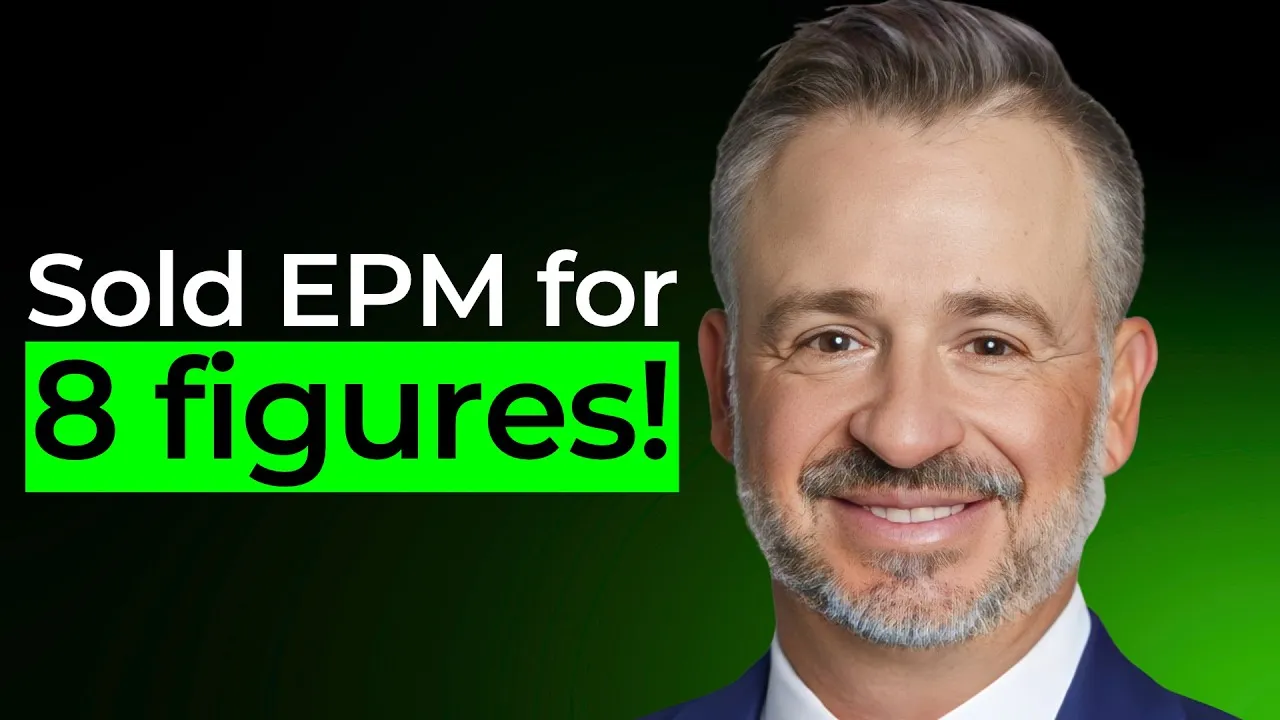
It reminded me of Jeremy and Jason Julio, who grew and sold their company for 8 figures while teaching PE the whole time. Their day jobs kept them out of the truck too.
Native’s breakthrough started with an apology
Native’s fast growth came after COVID, but Luke says the first stretch of the pandemic was a nightmare. Cancels spiked, techs and customers got sick, a manager or two didn’t work out and morale was bad. At one point Native could barely make payroll.
By the end of 2020 or into 2021, Luke owned how bad things had gotten and apologized to the whole team. Then he went to work on the culture, training and hiring, and once the team was united around the same mission and core values, Native took off. COVID helped too. People stuck at home were online more and seeing more bugs, and a lot of people moved from New York to South Florida.
Speed made a hated lead source his best one
About 99% of Native’s ad spend goes to digital, with a heavy focus on SEO. Luke has tried postcards (and lost money), Valpak and billboards. Back in the garage, he wrote blog posts with tools like Semrush and Moz, and he still remembers a man who read his post on ghost ants on the kitchen counter and signed up.
Around 2019, as Native passed $1M, its best lead source was HomeAdvisor (now Angi Leads), even while owners in the pest control Facebook groups complained about its leads every couple of weeks. Luke kept his phone out and called each lead before he even read it. When the homeowner picked up, he’d say something like this.
“Hey, just so you know, you’re gonna get another couple of calls in a few seconds. You can ignore those. Those are other companies, I’ll take care of you.”
Often the homeowner said their phone was ringing right then, and Luke had the job sold before the other companies got through. What matters is how good you are at a source, he told me, and he’s applied that to SEO and Local Services Ads since. I compared buying leads with building your own in my post on pest control leads, and Luke’s story shows how much comes down to speed.
Native eventually dropped HomeAdvisor because Luke couldn’t get other people that fast, but speed to lead is still a top 3 focus. Once the team is under 2 minutes, Luke wants 1 minute, then 30 seconds. Native manages leads in GoHighLevel and tracks speed to lead by channel with Zapier and Slack automations, though Luke says the team’s mindset matters most.
Act on what other owners only write down
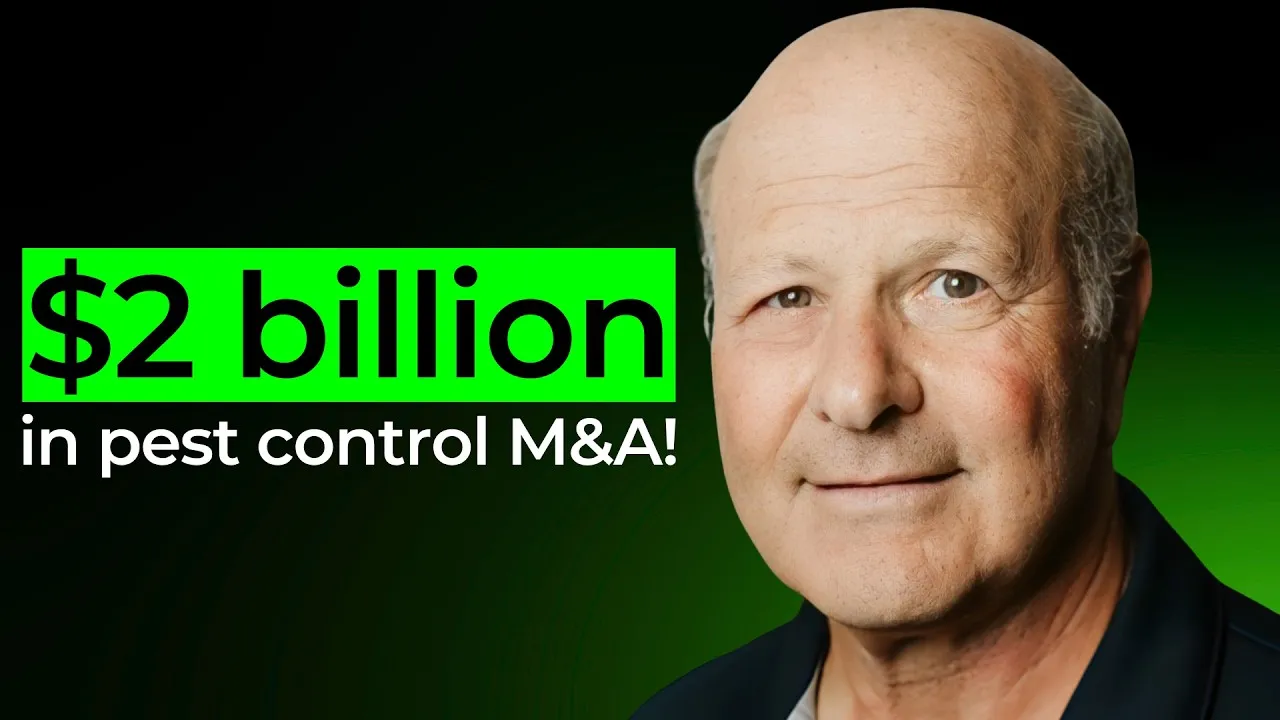
When COVID closed his gym in 2020, Luke took up running and started listening to podcasts, including Tommy Mello’s show, The Home Service Expert Podcast. I mentioned to Luke that Tommy had just sold A1 Garage Door Service for about $2 billion. Tommy gives nearly everything away, Luke said, because he knows 99% of people won’t act on it. Luke wanted to be the 1% who did.
He worked on the SEO signals Tommy talked about, like domain authority, readability and how long people stay on a page. He hadn’t heard of Local Services Ads until Tommy’s podcast, then followed his tips to max out the spend and change the zip codes. Luke made plenty of mistakes and doubled down on what worked while a lot of other companies held meetings and tried to be perfect.
All that change caused chaos at Native. When people pushed him to slow down, he sometimes did, and he regrets those times. New hires now hear up front that they’ll make more mistakes at Native than anywhere they’ve worked. Luke sees Native as a speedboat and his competitors as cruise ships.
Every customer call goes to AI first
Luke and I were both at PestWorld a little over a week before we recorded, and it seemed like everyone there was talking about AI. Luke’s first rule is to answer calls 24/7. If you’re in the top 3 on Google Maps and close at 5 PM, he says, you can drop out minutes later, because Google shows the companies that are open.
All customer calls go to AI, while sales calls still go to inside sales reps during business hours. Some callers do get upset, and maybe 70% are transferred to a person for now, which Luke expects to drop as customers get used to it. Office staff review every AI call, and each mistake goes back to the vendors. Then Native calls again to see whether the fix held.
Luke wants AI to augment his office staff rather than replace them. Native is adding it to texting and collections, with outbound sales planned soon.
Rank ideas by what an hour is worth
Most owners I talk to in the Pest Control Millionaires program and our Facebook group are around $1M or under, with a few technicians, maybe up to 10 or 20. Luke is 39 and once figured success might be 40 employees by his sixties, so 150 can be hard for him to wrap his head around too.
He spends his time like an analyst again, sifting conferences, programs, trainings and YouTube for what’s actually important.
“Really it’s not the amount of ideas that are out there. It’s how much can we get done? Our limiting factor is, you know, execution, not the idea part.”
For each idea, he estimates the time and cost, then what it would return per hour, maybe $5,000, $10,000 or $20,000. Some great ideas might only be worth about $100 an hour. He works the top 5, now in team hours rather than his own, and that often means leaving the biggest fire alone because putting it out won’t move the company much.
Bet on the person you already know
Native pretty much always tries to promote from within. Luke met Zach at his mom’s house, when Zach was doing bed bug work for $13 an hour at another company. He had a long ponytail, and Luke wasn’t sure about him, but he hired him as a tech anyway. Zach became Native’s first sales rep to sell over $1M a year and now manages 10 outside sales reps.
A former pastor Luke hired as a service manager, with no pest control experience, rose to company president. Ian started in inside sales with no sales experience and is now director of technology on the executive team.
Luke has promoted techs to service manager after 6 months, which he admits you should never do. Hiring from a big national company was a train wreck, so he’d rather bet on someone who isn’t quite ready than on a stranger who may not fit the culture. He looks for adaptability, one of Native’s core values, and teachability.
Raise your prices this month
Luke’s message to owners was about confidence. Most companies don’t price as high as they could, he said, because owners doubt themselves. He told some owners at PestWorld the same thing.
“Raise your prices this month. And worst case scenario, you change it in December back. Best case scenario, you grow faster than you ever have. You’re the most profitable you’ve ever been.”
That margin pays for a team, so an owner can let go of the vine and focus on higher-level work. Jonas Olson, one of my Pest Control Millionaires partners, raised prices after buying a company and wrote up how customers went from $50 to $129.
My take
Luke’s doubling down matches a basic principle I learned from my mentor. Walk into any business, look at what’s working and do more of it. Entrepreneurs get shiny object syndrome, so put most of your time and money behind what works and maybe 10% to 20% into experiments.
A lot of owners I talk to think speed to lead means a few hours, or 15 to 30 minutes. On a paid directory like Yelp or HomeAdvisor, it’s a competition, and Luke was dialing before he’d read the lead.
When we got to AI, I brought up AlphaGo, the AI that beat the best Go players in the world. It got pretty good from games people had played, but it reached world-champion level by playing itself over and over and trying moves nobody had played before. That’s how AI models get trained, and I don’t see why business and marketing would be any different. Like I said to Luke, there’s no losing, only learning.
Where to find Luke
When I asked where people can find him, Luke started with LinkedIn. His profile there goes by Native Pest Management rather than his own name, so search for the company if you’re looking him up.
Read the full transcriptHide the transcript
Full transcript
00:00 Intro
00:00 Dan Leibrandt
Hey everyone and welcome back to Pest Control Legends. I'm your host, Dan Leibrandt, and today I'm with Luke Lewis, founder and CEO of Native Pest Management. Luke is a former FBI intelligence analyst who started Native in 2015. 11 years later, the company does $24 million in annual revenue with 150 employees. Also has made the Inc. 5000 list six years in a row and ranks number 63 on the PCT 100. In this episode, we're going to talk about his jump from the FBI into pest control, how he scaled native to twenty-four million, and what it takes to build a team of a hundred and fifty. Now, without further ado, Luke, welcome to the show.
00:42 Dan Leibrandt
Of course, man.
00:43 From FBI intelligence analyst to pest control owner
00:43 Luke Lewis
Thanks, Dan. Very happy to be here.
00:43 Dan Leibrandt
So usually I start the shows with asking people of how they got into pest control. But what I first wanted to start with is your FBI background. This is like I told you before the show, I've talked to a lot of people in pest control, and I don't know of anyone with an FBI background. So first just explain to me how you got into the FBI as an intelligence analyst and also why you left.
00:52 Luke Lewis
Yeah. Very different. Yeah, yeah.
01:08 Luke Lewis
Yeah, absolutely. So I went to the University of Florida for five years, did the whole master's degree in accounting. All my friends were going to accounting companies. I didn't really like accounting, but I was that's what I was gonna do. And I got lucky one day I saw, you know what, the FBI was coming to campus and that sounded a lot more interesting than a big four accounting firm. So I went and interviewed with them, ended up getting a job as an intelligence analyst. They sent me to Quantico. They said, I was twenty-three years old, they Where do you wanna go? And I said, I'm 23. Want to go to New York City, Chicago, or DC. They put me in Tallahassee, Florida. So that was unexpected, but I'm happy it happened because I wouldn't be here today without that choice by them. And yeah, so I got into the FBI. I was there for almost three years. And then, you know, I realized it was always my dream job. I wanted to be an agent. So I had I had an interview to be an agent two weeks out in 2013. And then they did the whole nationwide budget cut or budget freeze. And then they said, okay, you know what? No more interviews for the next 12 months. And I was devastated because that was my dream job. And I was like, you know what? I don't want to live the rest of my life where they're calling the shots on my career and tell me where to go, when I can be promoted, what I can do. So at that time I decided to leave and I left to go back home to West Palm Beach to work for my dad's landscaping company. And then that's what I did. I was an account manager on Palm Beach Island. And I hated it, hated working for my dad. I started saying, you know what? What did I do? I left my dream job to go work for my dad. And I thought I made the biggest mistake ever, got really depressed. I desperately, you know, after like six months, I was like, you know what, I need to go back. I need to go back to the FBI. I made a big mistake. So I went and worked for the Palm Beach County Sheriff's Office as an analyst. Like that took a huge pay cut. I was making half as much as I've made in the FBI. And then I tried to get back in and then they said, you know what?
03:01 Luke Lewis
Sorry, you can't get back in. You left, you can't come back. And that was obviously devastating. I thought it was, damn, my life is ruined. And so, but then, after a week or two it settled and I said, you know what? Let me just start my own company. I don't want to work for them. I can't work for them. I don't want to work for my dad. And then so two weeks after they told me no, I started native pest management. And the rest is history. That was 2015. Started just, me and my dad helped me get some accounts. So I started out. Doing just lawn. And that was great. That really helped. That that enabled me to hire a technician right away. So he was doing lawns, then we added on home pests. So he would do the lawns, I would do the homes. I would have two phones in my pocket, one for customer service, one for sales. So I'd be spraying homes and in the backyard I'd be answering customer calls. So I just did it from the ground up and it took off. And here we are, you know, eleven years later on the Inc. Five thousand list for six years in a row. We have 150 employees. I never thought it would get to this point, but I'm very glad it did.
04:03 Dan Leibrandt
Wow, it's an incredible story. So your dad had a landscaping business. Why did you then get into pest control instead?
04:12 Luke Lewis
So th on yeah, the landscaping business. You know, really I learned as much as I could about 'cause I grew up doing it too in high school. I worked for him in the summers. So I learned as much as I could. He taught me everything. He was really good at it. He taught me about lawns. You know, hey, all the customer cares about is keep the grass green. They don't really, you know, focus on certain areas of the lawn where they spend the most time. I became really good at that. And so when I started pest control, I only had the lawn license and that's all I could do, lawns. Most people in pest control don't like lawns for a number of reasons. I didn't either, but it was all I could do. And I knew, people told me, hey, you really gotta get in a home pest. That's where, the money's at, the growth, the profit, the scalability. It's way easier than lawns. I didn't know anything about home pest control, so I hired an entomologist to come to my house. So he came to my house and I said, Hey, where do I spray? Where do I what do I do? I don't know anything. And he walked around my house, pointed, spray here, do this, do that, took as many notes as I could. Asked what products to use, asked what the price, I didn't know anything. And then, it took off. It just it took me a number of years to learn. A lot of guys today just jump in, boom, they're selling a million in their first year. I'm really impressed by that. Took me almost four years to hit a million in revenue. So I consider those my learning years. You know, I learned I got all the certifications, went to classes at pest management university, and you know, it paid off 'cause now as a result of those slow three or four first years, I'm able to accelerate, you know, where we are at today.
05:38 Dan Leibrandt
Yeah. Well it's almost even more impressive than if you had some slow first years and yet you're you are where you are now now. Yeah.
05:43 Luke Lewis
Yeah. COVID really helped, surprisingly. Yeah. Yeah. We keep running into I keep running into these situations in life, and I'm sure a lot of others do too, where it's like, okay, the FBI told me no. You know, COVID happened. I thought everything was ruined. You know, we could we could barely p make payroll. So I think in a moment, you know, I'm like, these it's the worst. You know, like, why did this happen? You know, we had one night where we twenty six catalytic converters stolen from our trucks, you know, just like all these bad things. And then but if you change your perception and mindset of it, you can say, you what? Years later, when you hit the success, you're like, I'm so glad that those things happened because if they didn't happen the way that they did, I wouldn't be where I'm at today. So there's a learning experience and it lets you, really get confidence in yourself and be resilient. And you can grow from that. And I think everyone else can too, if they if they just change their perception to maybe this bad thing I'm dealing with today and right now is actually gonna be something I'm really thankful for a few years from now.
06:38 Dan Leibrandt
Hmm, that's good. So would you say that when you face difficult things that are going on now in the business, you know, maybe a an employee you have to fire or you know, maybe th there's a lawsuit or something, like would you say it's easier now? And like how do you approach those hard things with a with a different perspective that's more useful?
06:59 Luke Lewis
I would say, yeah. It is easier now. You know, and some of the things we deal with now are much bigger crises crises than they were back then, you know, like huge you know, maybe a huge lawsuit or huge employee issue, or you know, just something some Google algorithm change that really impacts lead flow. You know, whatever it may be, it's like, wow, that that sucks. That's this is a challenge and you know, I'm a stress, but it's not interrupting my sleep like it did. It's you know, l our our team is used to it. They've been through all the chaos too, and think it really like battle hardened us is the way I would I would think about it. And so now with more resources, more people, more experience, it's like I'm like, okay, we got this, yeah, this is a big issue, but move on. It's just another day. We're used to this stuff. And it really helps us attack it head on instead of instead of taking, going at it from a place of fear, like fear and worry where we it's something's out of our control. We say, Hey, we know what we're doing, we have the right people, we have the right mindset, let's attack it. We're gonna beat it like we always do, and then we're gonna move on and do what we do best, which is pest control and scaling.
08:02 Dan Leibrandt
Yeah. So your business, your hands of business get calloused and tougher. Yeah.
08:08 Running a pest control company from 500 miles away
08:08 Luke Lewis
Exactly, yeah. Yeah, exactly.
08:08 Dan Leibrandt
Mm-hmm. Something we also talked about before the show, I wanted to make sure to bring up was you said that something actually really pivotal in the business was that you I think it was two years in and you had about five employees. I might be getting this wrong, but you moved about five hundred miles away from your location. So why did you move so far away from where you were servicing and why was that so impactful?
08:23 Luke Lewis
Yeah. Yeah, that's right. Yeah, to use it.
08:34 Luke Lewis
Yeah, absolutely. So I had young kids at the time. I was living in West Palm Beach. We had five employees. And my ex wife, my wife at the time in two thousand seventeen said, Hey, you know what? You know, we really need help with the kids. Her family was up in Tallahassee, we're down in South Florida, you know, kinda by ourselves, figuring it out. And she said we need to move back. We need the help because you know, now we have three kids together. And so, I looked at it and I was like, We can't, how how can we do this? We have this business, we have five employees, we can't do that. And I didn't want to do it. And she said, I'm gonna go with or without you. And so I said, Okay, well, I can't run a business five hundred miles away. So I went to one of my competitors and I said, Hey, I need to sell my business, I'm moving away and they looked at it and they said, Okay, we can give you four hundred thousand dollars which at the time I it like, Wow, I just was working for the FBI a few years ago and now I got offered four hundred thousand and thought about taking it and eventually you said, you know what, let me just turn it down. I don't know what else I would do if I sold my and lived in Tallahassee. So I turned it down and it was the best thing I ever did because I moved to Tallahassee. I just I built a little office, you garage in the office, and I just sat at my computer every day, seven days a week, and worked on the business, not in the business. You know, I couldn't if a tech called out sick or quit with no notice or whatever happened, I couldn't I wasn't there to fix it. I was five hundred miles away. It had It was a six hour drive each way. So it really let me focus, you know, people talk about it, but I don't know how many people actually live it where they say, Yeah, I'm gonna work on the business, not in the business. Well, I had no other choice. So I encourage, you know, anyone else that that's struggling with that right now and are kind of in the thick of it in a business. Even if you don't move away, just think, you know what? Let me pretend I moved a thousand miles away. Guy calls out, yep, I'm I can't be there. You know, just you're forced to figure it out and you're forced to scale. You know, I had to hire a manager, even though I couldn't really afford one.
10:27 Luke Lewis
'cause I had no other option. So it forces you to do things that you're not comfortable for or ready for. And that was the best thing I ever did. I'm glad that happened. You know? Because we would be much smaller today if I if I didn't make that move.
10:40 Dan Leibrandt
That's so funny. So just as a almost a thought experiment, but where do you think you would be at today if you didn't do that and move...
10:47 Luke Lewis
If we you know, I was so much focused on a customer experience, and I still am, but you know, so I would go out on routes all the time, you know, lawn routes, pest routes. I was just like, our reservice rates too high or cancel rates too high. So I love being out in the field and showing technicians you know, how to do things correctly. So, you know, looking back on it, that was kind of you know a good experience in the beginning for me to know, you know, hands on what we do right, what we do wrong, what to look for. But it kind of was a waste of time in a way because really being at the computer, I think, is where you make really substantial growth and gains. I that forced me to learn about marketing, about sales, about scaling, management. It forced me to be a leader that I wasn't at the time. So just as a thought experiment, I would guess that we would have maybe like thirty employees today. I think that's how dramatic of an impact it had, compared to, you know, 150 now. So I you know, especially because it was right before COVID. So that le that gave me a couple of years to prepare for COVID, which I didn't know was coming, obviously. And I'm glad it happened when it did.
11:50 How to work on your business, not in it
11:50 Dan Leibrandt
Yeah. An interesting example that I've seen that's kind of similar to this is owners that see success when they already have a job. So for instance, maybe you the Julio brothers. I think I interviewed them around six months ago. And yeah, yeah. So they grew and sold at eight figures, and yet they were high school teachers the whole time. And they said that was actually kind of an unlock for them because...
12:05 Luke Lewis
Mm-hmm. Great guys, yeah.
12:16 Luke Lewis
Yes, that's I've always thought that's amazing. Yeah.
12:19 Dan Leibrandt
That it forced them to be out of the business. It's like, well, you can't be, in the truck fixing all the day-to-day stuff when you're working at your other job. But also now you have some some finances coming in where now you can support the business. And now at night, like you're saying, you can just work on the computer computer and focus more on marketing and stuff. So for you, what did that look like working on the business? Cause I feel like that's a lot of people say that. Like, yes, I should work on the business, but what does that actually look like? Hey guys, real quick, have you heard of the Pest Control Millionaires program? We have a private group with over 300 pest control owners where we teach you how to grow your business. You will learn how to get more leads, how to close more leads, and how to buy back your time for more freedom. If you're doing over 150K a year and not growing as fast as you'd like, click the first link in the description below to book a call with us today. Now that being said, let's get back to the show.
13:18 Luke Lewis
Yeah, so lot of it was learning. 'Cause when I had five technicians or five employees and I lived five hundred miles away, there got to be a point where, I could only manage routes so much, could only micromanage so much, you know, so they I had more a little more free time than usual in the beginning compared to what I was used to. So I went to spent extra time going to pest management university at the University of Florida, you know, learning about that. I took courses in business, even though I had an accounting degree. You know, I just wanted to learn as much as possible. I think it was Goldman Sachs, their 10 10,000 small business program. It's a free program for anyone interested. I did that. And then I learned as much as I could about marketing, specifically digital marketing. And you know, I followed Neil Patel, different SEO guys that are that are really well known now, and watch YouTube, read blogs, and I just wanted to figure out, you know, what are these? It's not rocket science. The answers are there, just like in pest control. You just gotta find those answers, you know, get and I was an intelligence analyst and pull out what's important and then do those things really well. So, you know, I really focused on digital marketing at the time. I was writing blogs, you know, I would write a blog and I think I used tools like Semrush, Moz, things like that. And then like the next day I would get calls saying, Hey, I just was reading one of your blogs and it was a blog I wrote yesterday I sold them pest control and that really gave me confidence. That's a specific one I remember. It was ghost ants on the kitchen counter. And the guy said, I just read your blog and he signed up. And it really motivated me to continue doing that because I directly saw the results. So I was like the de facto office manager in the beginning. I was the scheduler, the marketing guy. I was doing phone sales over the phone. So I tried to do everything. And you know quickly I wasn't able to do everything and I had to hire for different positions shortly after that. But it really, you know, let me take a step back and forced me to focus on what was important and It forced me to not focus on what wasn't important, which is being out in the field, jumping on trucks. So yeah, a lot of people, myself especially, don't I don't have the discipline to live in West Palm and not go out on routes and not talk to customers. So just being physically away forced me. It was like rehab. Like, okay, get away from the business. You're spending too much time in the business, all you can do is work on it, and that was the best thing ever. Yeah. Yeah.
15:30 Dan Leibrandt
Ha ha.
15:37 How COVID sparked fast growth
15:37 Dan Leibrandt
Hmm. Awesome. So the first four years were kind of slow. I mean, still you got to a million after four years. I know a lot of people that takes 10 to 20 years. So yeah, everyone everyone's got a different journey. But so four years to one million. What was the breakthrough for you? Was there like a specific moment or mindset shift or something that started really accelerating for you guys?
16:01 Luke Lewis
You mean specifically at the one million mark or a different point?
16:05 Dan Leibrandt
Not necessarily at one million, but when did you start to hit fast growth?
16:09 Luke Lewis
Definitely after COVID. That's when I really noticed it. So, I was panicking at the time, a lot of people out there, like we had a spike in cancels. We were trying to figure out production, techs were getting sick, customers were getting sick, it was a nightmare. And that was really bad, I just remember we had a really bad morale in the company at the time. It just wasn't a good culture. We had I hired a manager or two that didn't work out, lots of turnover. And shortly after that, so I'd say twenty twenty one is or maybe the end of twenty twenty, we started to really I owned us sucking at the time. I was like, Man, we are I apologize to all of our team. It was the worst. It was the worst time. But then quickly after that, it really inspired me to say, you what, I gotta fix this. This is so bad. The I gotta fix the culture. I gotta train more. I gotta hire better. So when all those when I really realized that it hey, it centers around culture and core values and just getting a team that's focused on the same united mission, I'd say that is really when it took off and then and then of course with COVID, a lot of people were spending more time at home. So, people were on the internet more, people are seeing more bugs because they're home all day instead of at work. So we really and then on top of that, we saw demographic shifts. There were a lot of people that moved from New York specifically to South Florida where we service due to COVID and the restrictions there. And also after that, due to the tax changes of Florida's no income tax, things like that, that are, really drives population growth. So I think that combination of us focusing on what's important and our mission and our and our and our focus and just really hitting growth hard. And then also the demographic changes, just always like the perfect storm that led to rapid growth. Yeah.
17:51 Dan Leibrandt
Huh.
17:53 Which pest control lead sources actually work
17:53 Dan Leibrandt
And with lead generation, you mentioned that digital marketing was huge, at least initially. Did that has that stayed the case? Or what how have you been generating so many leads?
18:04 Luke Lewis
It stayed the case, yep. I've tried over the years to try different things. I've tried postcards, lost money, tried Valpak, tried billboards. I've tried everything, I feel like. I mean, I'm sure I've done like clover leafing, I've done all this stuff, but for us specifically, it is just revolved around digital. I think pretty much like ninety-nine percent of our ad spend is on digital. We focus on SEO very heavily, and that's just it was good timing because over the years, more and more people are using, smartphones and digital and a lot of our competitors, they really are just have been focused on old ways of doing things. So it was the perfect time to focus on digital. And we just, we track like ROI per channel and cost per lead, customer acquisition costs, all the important metrics. And we just pour money and focus on on what's getting the best results and it just compounds. You know, if you're if you're getting great results in SEO, Instead of going over and trying something new, I learned, hey, just double down on it. Keep doubling down on it. And until you get, then you're gonna get a lot more ROI and a lot more of an impact and lead growth than if you were to say, yeah, we're doing great on SEO, now let's spend all of our focus on pay per click. You know, something like that. So I really learned to just double down on what you're good at and then just keep going until until you've kind of hit the max on that.
19:24 Dan Leibrandt
Totally. Yeah, that's a very fundamental marketing principle I've learned from my mentor is like it's very simple. If you walk into any business, look at what's working and do more of that. It sounds so simple, but I think especially as entrepreneurs, we get shiny object syndrome where it I if it's not starting another business, it's trying tons of different ways to generate leads, trying tons of different ways to find new employees. It's like, look. Whatever's working, let's just do more of that and maybe we can spend ten to twenty percent of our time and money on experimenting.
19:42 Luke Lewis
Yeah, a hundred percent.
19:58 Speed to lead and why HomeAdvisor was his best lead source
19:58 Luke Lewis
Absolutely, yeah. Yeah. And now that I'm thinking about it in the beginning, really surprising that this worked out best, but it was my best lead source when we, you know, or maybe in two thousand nineteen when we started taking off and passing the million dollar mark was HomeAdvisor. Now it's owned by Angie's List [HomeAdvisor is now part of Angi], so it's called Angi Leads. I remember I was in the pest control Facebook groups and everyone said it was just every couple of weeks everyone was like, Man, HomeAdvisor's a scam. I wanna sue them, the worst leads, and I'm just sitting there like counting the leads and the money. And it was just it made me really realize years later that it's not particularly the source that's important. Everyone wants to chase the best source. It's how good are you at that source? I knew that we were the fastest. I had a I had a method down, I knew that we were the fastest at home advisor, probably probably one of the fastest in the country, to the point where, you know, I would like leave my phone up, unlocked. When I lead came in, I would, I would call it before even reading what it was about. And I just had a whole process. And then when they answered, I would say, hey, just so you know, you're gonna get another couple of calls in a few seconds. You can ignore those. Those are other companies, I'll take care of you. And then they would say, yep, you're right, my phone's ringing. And you know, so basically speed to lead, I cut out the competition and sold it and serviced it before they even got in contact with the other companies. And then you know, it really shows you like, hey, everyone thinks this lead source is garbage, but if you just are the best at it, if you're the best at that garbage lead source, you know, you might you might get a huge lead flow from that. And I've applied that, since then to SEO, to Google Local. And, it just shows me that the potential's there no matter what you do. You just gotta be really good at it and not s don't spread your focus on trying to do a million things, you know, mediocre. Really focus on being the best at one or two things.
21:45 Dan Leibrandt
Mm, totally agree. And yeah, I'd I totally agree on speed delete specifically that a lot of owners, or maybe some of the owners I talk to think speed delete is like, yeah, get to them within a few hours. And others are like, okay, well, you gotta probably contact them within 15 to 30 minutes. Like what you're saying, no, you have to th this is a especially when it's a paid directory like Yelp or HomeAdvisor, this is a game of competition. So you have to I mean, love that.
22:12 Luke Lewis
Yes. Second.
22:14 Dan Leibrandt
You literally had your phone out and called them right away and telling them, Hey, look, other calls are gonna come. We will handle this for you guys. That that is incredible.
22:21 Luke Lewis
Exactly. Yeah, yeah. It's and it's a challenge that we have, you know. So as you get bigger as a company, it gets you have more people to manage, more people to train. So our speed elite actually, you know, I was when I was just the guy answering phones, I could be the fastest. We eventually had to like cut out home advisor because I couldn't figure out, you know, how to get other people to be that fast. N now that I've had more experience and seen different things from other companies, I think I could have done it. With certain incentive programs that would have really motivated them. But at the time I couldn't figure it out. So I just said, you know what? If we're not the fastest, there's no point continuing this. And so we ended up dropping that, moving on to other lead sources. But that's really speed delete is something that's a top three focus of us even today. Just trying to get, faster, faster, faster. Yes, okay, we're under two minutes. That's great. Let's be under one minute, let's be under thirty seconds. So you can always be better. And because the competition's trying to get better. So it's I like the competition, it's fun.
23:16 Dan Leibrandt
Definitely. Do you have any automation around that regarding speed delete?
23:21 Luke Lewis
We have different things that we've been you know, figuring out. We have GoHighLevel. It's a software we use for lead management. We have you know, different AI programs that we've implemented to really, you know, respond to Yelp leads faster, respond to text faster. We haven't yet conquered auto dialers for outbound calls, but that's within a month or two we'll have that figured out. Just so we can speed up that, you know, it's constantly like thinking about how can we speed it up and looking at every, you know, medium that we communicate with customers on and leads and timing it. We track it with different Zapier and Slack automations, just to really foc and we have different reports that tell us what our speed delete is on different channels. So really just making it something that everyone it knows is important and driving the KPIs to be better, better, better at, you know, weekly, monthly meetings. I think that that just gets everyone united around, you know, a goal that we know if we hit that goal, that's gonna lead to higher closing rates, higher average tickets, you know, more growth. So yeah, I'd say really yeah, we have automations, but it's really the mindset the team has that's the most important.
24:25 Lessons from Tommy Mello
24:25 Dan Leibrandt
Sure. Something I also wanted to bring up was I saw you mention this on the Bug Bux podcast also before we started the show, is that I guess you could say you're a fan of Tommy Mello or you like Tommy Mello. And yeah, I've I think Tommy Mello is incredible. Of course he just sold his garage door company, A1 Garage, for two billion dollars. Did it I think in like about 15, 20 years or so. Super impressive, one of the most famous people in home services. But I want to ask for you, what have you learned and taken away from Tommy Mello? What has been impactful?
25:05 Luke Lewis
Yeah, so I'd say I started listening to Tommy Mello right around twenty twenty, right when COVID hit. I used to go to the gym here and then COVID hit and it shut down the gym. And so I said, okay, I can't go to the gym, I guess I gotta start running, which I didn't like, but I didn't know what else to do. And when I did that, I started listening to podcasts, which I didn't do previously. And his was one of the first ones I found, home service expert. And I realized, man, this guy is where I wanna be. And he's very, has so much positive energy and really practical advice. And he gives away everything almost. And he says, hey, I'm gonna tell everyone these secrets. I'm gonna give it all away because ninety-nine percent of you won't take action. You won't do it fast enough, you won't do it thoroughly enough. Yeah, you're gonna be like, Yeah, that sounds good, that sounds good, you're gonna take notes and then it's just you get busy with all the chaos and you don't really do it. So I said, You know what? I wanna be that one percent that actually does it. So I took notes every time, I would binge watch binge binge listen to podcasts and write everything down and putting it into action the next day. It's so much easier when you're a small company to put it in action immediately compared to as you get larger. You have less people in politics and things like that. So I would I'd say the biggest things were, him talking about SEO, you know, things like domain authority on your website or you know, like readability and hey, Google has customers too. Those are the users they want to be able to so they're looking at how long are they reading the page on your website. How fast are they bouncing off? Are they clicking any links on your site? Or are they just exiting? So I looked at all those KPIs and said, okay, he says this is important. Let me focus on this. Let me make it better, better, better. And we eventually got really good at SEO, partly from, partly from him, partly from people like Neil Patel. And it paid off tremendously. And also Google Local. You I didn't even know what Google Local was till I heard it on his podcast and he gave tips like, okay, max out your spend, do this, change the zip codes like this. And just like I said, I wanted to be that 1% that just actually did what he was saying. So I did it. I tested things and I saw what I did it. I made a lot of mistakes, but I figured out, hey, that doesn't work, that doesn't work, that doesn't work. Okay, this works. And I and I doubled down on it, like I said earlier. And I think while that was happening, a lot of other companies, they're just like, you know, maybe seeking perfection.
27:27 Luke Lewis
Okay, let's let's think about this. Let's have a meeting about it. Let's talk about it. And so while they're trying to be perfect and not make mistakes, I mean, obviously there's exceptions and there's a lot of companies that do it the way I did, but I said, Hey, the more mistakes we make, the faster we're gonna get to a win. So it caused a lot of chaos, you know, upset a lot of people in my company because things were always changing, but I saw the results. I said, Hey, this is how fast we're growing. We do it because we make all these changes and we have this, you know, chaos. So let's stick with it. This is our competitive advantage over other companies. While they're complacent, we're just doing everything we can and learning. And I think today I look back and I say, I'm so glad I did that. People told me to s hey, you gotta slow down. You're gonna the company's gonna implode, people are gonna quit. You really gotta slow down. And I said, No, I just I wanna keep going. I wanna see what I can do. And I'm so glad I didn't listen to what the majority of people were telling me to do. And I just did what I felt like I needed to do.
28:23 Why imperfect action beats perfection
28:23 Dan Leibrandt
Mm, for sure. Seems like two themes I'm pulling from you across this show so far is one that you need to focus. You need to like don't go starting lots of other businesses, focus on like one or maybe a few top lead generation strategies. And then the second is action. Like once you have those priorities in order, you know what to focus on, you're focused on that. Well, now you have to act a ton towards that. Did you ever W was it ever tough for you to act? Wha was there ever any switch there or have you always been pretty action oriented?
28:59 Luke Lewis
It yeah. Yeah, so imperfect action. That's basically sums up, the theme there and the focus. Even if even if you don't know if it's the right decision, make a decision and move quickly on it. And then you learn from that and make another decision and so on and so on. There were times, especially in the last few years, where I let off the gas a little bit and I c and I look back and I say, you what, I should just consistently stuck with, the focus of imperfect action, but there were times I let others, get to me, whether they were in the company or out of the company, and that, they said it's bad for culture or you know, we need to talk about this more, or you're, you know, you're you're you're kind of like not following the org chart, you know, you're just messing things up, Luke. And I felt bad, you know. So I did slow down at times and every time I did, I look back and I'm like, Man, why did I slow down? You know, I so I'm glad that happened because it kind of gives me more focus for the future and more resolve to power through that. Because I know it's gonna continue to happen. I just need to get better at setting expectations, you know, with new hires, which we do, and really ongoing constantly with our team and say, this will be stressful. This is not a normal pest control company. We are gonna take imperfect action, we are gonna make a ton of mistakes more than you're used to at any other company you've worked at. So expect that it's gonna happen, and it's part of our process because we're gonna learn from those mistakes and we're It's gonna help us be faster and better than the competition. We like to be like the speedboat, that we're turning, twisting, going as fast as we can. And we think of our competitors as the cruise ship that has to get everything right and not, not cause any problems. So it's letting us outmaneuver them. And even with these examples of AI today, it's so competitive, it's so fast. The people that do it fastest are gonna win. There's no time anymore to slow down and yeah, so there were times that I did and I wish I didn't. And in the future I'm gonna not let that get to me. But as you get larger with the company, there's more people that you gotta think about. I've got executives, I got managers, I gotta let do their job. I don't wanna cross boundaries and things like that. So it's difficult. You just gotta you just gotta explain to them the why and show them the results to get their buy-in and then keep doing it.
31:15 How Native uses AI to answer calls 24/7
31:15 Dan Leibrandt
Yeah. Yeah. Both of us were at PestWorld a little over a week ago and the whole theme was I guess maybe not the whole theme, but like it seemed like what everyone was talking about was AI that you just mentioned. So I'm curious, what are you guys doing with AI? Do you see any big opportunities there?
31:32 Luke Lewis
Yeah, so with AI, we've we've tested different softwares. And really what we're focused on is okay, one, no matter what, we gotta answer calls twenty-four seven. You know, because say we're top three on Google Maps. If we close at five PM, boom, five two PM, we're not in the top three anymore. Google's gonna show the cut companies that are open. So it's very important to be open, twenty-four seven and have AI take those calls, schedule those calls. Customers have less patience. They don't want to get called back the next day or a few hours later. That they want to get called now. They don't want to have to call back. They just want it to be done now. So that's very important that we get that right and we get them scheduled. And then we do have humans, you know, office staff, of course, go back and review every call to make sure, hey, did we get it did AI get it on as fast as possible? Did they put the right notes, the right service type, the right person? So that's the number one thing. And then we're also getting it involved with texting. Messaging leads, outbound campaigns like collections, accounts receivable. You know, we haven't yet done this, but our plan is soon to get in outbound sales with AI, you know, texting, emailing, calls. Really, it's not to the goal isn't, hey, we've got this office staff, we've got this overhead we want to replace. We want to augment that and use AI to improve our speed to lead, improve our response time to customers that need reservices. People don't want to wait till the next day anymore. They don't even want like same day. They want like they want you to be out there within, as soon as you possibly can because they've got bugs and they don't want to hear, okay, I'll be out there, at the end of the day to day. They want to hear they would love to hear, okay, I'm on the way now. So that's incredibly difficult to figure out. But with AI and advancements it's making and with the right human oversight and focus on the objective of exceeding customer expectations, I think it can be achieved and it will be achieved. And if you don't do it, and you kind of lay back and just say, you know, that AI stuff, people aren't, you know.
33:26 Luke Lewis
People don't like that or it's not good enough or whatever. It's not perfect, like I was talking about earlier, they're gonna be the ones to lose because the opportunity is there now. And if you're that first mover that's really right on that the leading edge of it, you can capture that, you know, that that the potential that AI is creating that others companies may not be that are that are not acting fast enough.
33:46 Dan Leibrandt
Yeah. When things are changing, there's bound to be opportunities. So since things are changing so fast, there's more opportunities than ever. On AI call answering, I don't know how much you guys have used it, but to the owners that I've talked to that do use AI call answering, a lot of them say that, you know, like these these prospects, these leads got upset because it's not a human. Do you run into that at all? Or how do you avoid people kind of getting upset.
34:16 Luke Lewis
We do run into that. Yeah. So during business hours, a hundred percent of the time we have the staff available to handle a transfer. We actually we still have sales calls during business hours go to inside sales reps. But all customer calls go to AI. And yeah, a large amount actually get transferred, maybe seventy percent right now to humans. And that's because we started it fairly recently. We expect once they get more used to it and realize, hey, AI can schedule me and it's fast. I think that number's gonna go down and a lot more will just be happy with the results they get from AI. But yeah, we take that data, it's gonna make mistakes. There's no perfect AI software, at least not yet. So we take those mistakes, we look at every single one of them and say, Okay, what did it do wrong here? What could it have done better? And we constantly provide that feedback, the to our vendors and then they make changes and then they get back to us and we test it. Say, okay, this was the issue this person had. Let's replicate it. Let's call it. Let's see if it happens again or if it got fixed. And so I'd say just the same concept I applied about, earlier about different marketing and different things is you just gotta make a ton of mistakes. The more mistakes it makes, the better, because that's teaching us and it's teaching AI to be better. So I expect a lot right now, but I think, that's that number of mistakes is gonna go down and we're gonna get better and better. While others may be focused on it, I want it to be better before I s I buy an AI program. We're we're we're already doing it and we're making mistakes and getting it better. So by the time they do, ours is gonna be a lot better than theirs just because we've been, battle hardened like I said. Yeah.
35:49 Dan Leibrandt
Uh-huh. Totally. Yeah, it's all about training and testing. I think an example that brings this to light is if you've heard about like the AlphaGo project where you know D Demis Hassabis and his team created an AI that could beat the best Go players in the world, which if you know Go, it's like a more advanced version of chess, I guess you could say.
36:15 Luke Lewis
Interesting. I had I didn't know about that. Yeah.
36:16 Dan Leibrandt
Yeah. Really good documentary on YouTube about this. I think you can just search up AlphaGo. And yeah, so th this came out. I mean, this is almost 10 years ago at this point. And the reason why I bring this up is because this game like so first it was just trained off of games that it would watch other people play. And it got pretty good, but it never got like world champion level. But what made it such a great player and was able to beat anyone. Was I think it played over a billion games [AlphaGo trained on about 30 million self-play games] against like just other bots, just continuing to test what works well and what's not. And it would play moves that no one has ever played before because it has just tested so much and trying all kinds of variations. So I think something like that just this is how AI models are trained. It's all about testing. So why wouldn't the same...
36:51 Luke Lewis
Yes. More th more than any human could do. Yeah.
37:13 Dan Leibrandt
Apply to business and what we test in marketing and so forth.
37:16 Luke Lewis
Absolutely. Yeah. And I think so it's like what I mentioned earlier in the episode is yes, I agree there's gonna be a lot of mistakes and owners are a hundred percent right with that. But instead of that that being like a fear, change your perception to, okay, that's great, there's gonna be a lot of mistakes because we're gonna make it better for our clients. And every day is the worst day. You know, like we're gonna have more mistakes today than we are tomorrow. And if you lead with that mindset and you attack the problem instead of hide from the problem, you're gonna get the results that you're that you're hoping for.
37:46 Dan Leibrandt
100%. There's no losing. There's only learning.
37:51 How to manage 150 employees
37:51 Luke Lewis
That's it. That's it.
37:51 Dan Leibrandt
Let's see. Okay, yeah. Another thing I wanted to ask you was so like a lot of owners I talk to, whether they're in our program or our Facebook group or whatnot, most owners, of course, fall, you know, under a million or around a million. Maybe they've got a few technicians, maybe up to 10 technicians or even 20. But you have 150 employees. And I'm sure for a lot of people, it's even hard to wrap their mind around how do you have that many employees? And what does your day to day look like? So I wanted to ask that to you of what does your day to day look like and how do you manage 150 employees?
38:32 Luke Lewis
Yeah. You know, it's funny you said that 'cause it's hard for me to wrap my head around it sometimes too.
38:37 Dan Leibrandt
Ha ha.
38:37 Luke Lewis
I thought, you know, success one day would be, you know, maybe when I'm in my sixties I'd have forty employees. So I'm thirty-nine now with you know, we got a hundred and fifty. So I'm constantly surprised. And I'm learning. I'm figuring it out. I've this is the first company I've ever owned. So I've struggled with that sometimes. I'm like, man, okay, you guys don't need me as much. Like, you know, your ego, especially as a business owner, you have ego around...
38:58 Dan Leibrandt
Ha ha.
39:02 Luke Lewis
I like being needed. I like providing value and I'm good at it. And you know, so it's a it's a mental struggle and you just kind of move forward past that and learn from it. I'm glad I've experienced this you know, struggle over the last few years, especially. And so really what you do is you can at this size, you can more control and decide what is it that interests you as an owner? You know, is it marketing? Okay, you can spend a lot of your time in marketing, is it operations, sales? Whatever it is, I think that, if you go after what you're the best at, your your business is gonna see an impact from that. And it's like going after the best marketing channel. Just double down at what you're good at. Don't try to be a master of everything and just be a master of one or two things. And so for me, I focus on okay, what can get the biggest ROI for native as a company? And what I find is, you know, all the there's no secrets out there. There's companies at these conferences. I was at Home Service Freedom last week, PestWorld the week before. There's programs, there's trainings, there's YouTube with SEO and Neil Patel and everything. There's a million all the answers are out there more than ever before. There's more data out there than I than ever. And so I spend my time going back to my roots as an intelligence analyst and saying, okay, let me take this massive amount of data that's out there and decipher it and figure out what's actually like important, because really it's not the amount of ideas that are out there. It's how much can we get done? Our limiting factor is, you know, execution, not the idea part. So I try to say, okay, these are a hundred great ideas that I find out there. And I say, how long will each one take? You know, okay, this many hours, this much effort. What's the cost? And then just like a marketing channel, I say, okay, here's the ROI. If I do this thing, this idea that I learned from another company, the impact of my time will be $10,000 an hour.
40:55 Luke Lewis
Maybe it's five thousand an hour, maybe it's twenty thousand an hour. Whatever it is, then I say, okay. Then I order it based on that, priority lists and the expected ROI. And I focus on those top five items, you know. Yes, there's a lot of great ideas out there that that everyone runs into, but you know, there's a lot of those ideas that are great, but like really that ROI might be like a hundred bucks an hour or something. So just you just gotta say, that's great. I could do that, but I've got this better thing I wanna focus on. So I spent a lot of my time doing that and taking the best ideas and then pitching it to the team, showing them why it's the best idea, getting their buy-in. Then I say, look at our results, look at the 20,000 reviews that we have, look at the growth we had, last month or last year. If we do this new idea, we will get continue to get those results and we're gonna create more opportunities for those on our team that that wanna move up and get promoted. We're gonna open new geographic areas, but we have to do these ideas. Yes, it's uncomfortable, yes, it's not something we're used to, but if we do it. The light is at the end of the tunnel, the goal is there. So let's let's get together as a team and make it happen. So I think being able to do that, as a CEO and take the ideas and see them through to execution, that's the most important thing that I can do and that's what I focus on, with my time.
42:10 Dan Leibrandt
Hmm. So to be clear on that, are you saying that you're thinking about dollars per hour for yourself and that you always want to be doing something, maybe say that's over a five thousand dollar an hour task?
42:24 Luke Lewis
That's how I started. Because I've done this for years. So when we were smaller, I said it was myself because it was like, okay, I gotta use my time to make this happen. And then eventually I shifted to, you know, more of like a team cost, team hours. Okay, this is gonna take us like, you know, I don't know, it's gonna take us a month to figure this out as a team. Is it is the ROI we're gonna get from doing that and executing it gonna pay off? Or is there another project we could do over the next month that's gonna have a bigger payoff? Lot of people focus on what's the hottest, biggest problem right now and let's solve it, let's go after it. But sometimes, or really a lot of the time, that's not the most important thing. Yes, you could solve it and feel good about it, but it's not gonna have a huge impact on your company. So you gotta say it's hard, it's very difficult. You gotta logically be like, Yes, that's a huge fire and problem. You know, it I could fix it and make sure it never happens again, but I gotta focus on this other thing. So everyone, let's focus on this. We're gonna have exceptions and outliers. And this is gonna get us a bigger ROI than that and really prioritizing what's important. So yeah, as a team right now is what we do.
43:29 Key hires and promoting from within
43:29 Dan Leibrandt
Okay, makes sense. And what would you say in of all the employees you have hired, has there been like one or a few key hires or key positions that you've hired for?
43:43 Luke Lewis
Absolutely, yeah. You know, one one I can think of it is Zach. He's started as a technician making, you know, he took I met him at s my mom's house, surprisingly. He was there for an event and he was like, Yeah, I'm a technician. I do bed bugs, I make thirteen an hour with this other company. He had a long ponytail, so I was like, man, I don't know about this guy. But I but I hired him. We needed someone and boom, you know, years of the technician, and he became a sales rep. He was our first sales rep to sell over a million a year. Then he became an outside sales manager. Now he's got 10 people under him, 10 outside sales reps on his department and has helped lead, the team. But so like that's just one random guy that I hired as a tech that had a massive impact. There's others. There's Dan, you know, he started as a service manager, no industry experience. I hired him because he used to be a pastor. And he told me on Saturdays he goes out and volunteers and preaches to the you know people in the in the homeless people in the park. And I thought, man, that's what we need. We need someone to preach or basically that version of that to just listen to these technicians, these guys and women in their twenties that need a lot of support. So he was great in that role, even though he had no pest experience. And he got promoted eventually all the way up to company president. And we have other examples like that. You know, Ian last one is Ian for now. He's started as an inside sales manager or as an inside sales rep. Again, no experience in the industry, not even sales experience. I just hired him because I just had a gut feeling about him and he did great, promoted him to inside sales manager, now then data analyst, and now he's director of technology for the company on the executive team. So I'd say our best people really just started at the bottom and worked their way up quickly, within five years. And yeah, I owe a ton to them and I'm so glad to have them on the team.
45:24 Dan Leibrandt
Hm. Yeah, it sounds like a lot of hiring internally.
45:28 Luke Lewis
Yes, yep. We pretty much always try to hire and promote internally, which is a challenge when you're growing so fast. There were times where we promoted technicians to service manager after six months. I you know, really you should never do that. I have other companies and competitors where people text tell Hey, I've been here ten years and they won't promote me. So six months and so it's a it's a challenge 'cause mentally I'm like, okay, this guy's definitely not ready. But the alternative is hire this guy from Terminx or whoever, and I've done that before. And that was a train wreck. So I'd rather bet on the person that, isn't quite ready than the than the person I don't know at all that may may be ready, may not be, but really that isn't a culture fit. And, so I like the devil I know in that situation. And yeah, there's been mistakes, but overall that that mindset has paid off. And I think the biggest payoff is that it shows the team, hey, if I do a great job and I'm really bought in and focus and work hard and follow the core values, I'm gonna have the potential to be promoted fairly quickly too. So it so we have a very young team, I'd say a very ambitious team. And it's because of that they see they see, hey, we're not just talking and saying, yeah, you can get promoted, blah, blah, blah. Like we're saying, yeah, you can get promoted. This other guy got promoted, in his first six months. And so they see that and it inspires them to work harder maybe than they would have otherwise.
46:49 Dan Leibrandt
Hm. So of those people in your company that are maybe starting to fill out the C suite and inf continue to get promoted, what are the consistent traits with those people? What makes them such a valuable asset to the company?
47:04 Luke Lewis
Yeah. I'd say the most consistent traits that are the most important are adaptability. You know, that's a core value we have. You know, they're adaptable. They're not there have been people, you know, that that we've had in the past that were like just so against change. They're like, No, we can't do it this way, you know. This is this is crazy, you know, this is chaos. And they're right. But and they ended up leaving because they were just kind of disgruntled over that. So we learned from that experience and that's part of why we talk about it now when we hire people. But these people that specifically that I mentioned fully embrace that the way I do. And they're like, bring it on. Yeah, what you learned 50 things at the conferences last week. We're ready. You know, we're used to it. So I just don't let off the gas and they understand that and they're okay with it and they know that, hey, the results are gonna be there. Let's just keep doing what we're doing because it's worked in the past.
47:49 Dan Leibrandt
Ha.
48:01 Luke Lewis
So I'd adaptability and then the number two most important thing is teachability, just really just open, open minded, not having the mindset like those people I've hired in the past from other companies, the majority of them have this mindset of, I've worked 10 years at this huge national company. I know everything, you know, I what products to use. I know, you know, they don't want to listen to anything. They're like, You guys, you guys, you know, we're just started 10 years ago. I've been doing this, you know, 10 years. But so they just have this mindset that's closed off. And their ego's really big and they just don't they're not open to knowledge and new things. And, constantly you need to change your mind based on new information. There's been many times where I made a decision, you know, based on the information that was presented to me, and it was the wrong decision. But I didn't know that until I got new information later on. And so I changed my mind to full 180 on a decision. And peop some people would be like, What the hell? You just said something different three months ago. And it made me a little bit question and slow down, but I powered through because I said, you know what, this is new data. I'm not just gonna get new data that and say, I held that decision, I'm gonna stick with it. So I say teachability is so important because knowledge is everything and applying that knowledge. And if you aren't open to it, then you're not going to grow to your full potential.
49:18 Dan Leibrandt
Mm. So people need to be willing to change. And I think just like the AI example that things are changing so much with technology that you have to be willing to change with that. But also with a big company, as you guys have grown so fast. I think you were at four point nine million in twenty twenty one and now you're at twenty four. So th there are naturally going to be a lot of changes with that. So they have to be ready to change.
49:42 Luke Lewis
Yeah, absolutely. Yeah. You just have to be. And we have our monthly town hall meeting tomorrow morning at seven thirty. And that's something I'm gonna talk about because it's just so important that just repeat it. You know, communication is everything. Your team has to if you don't communicate, you know, what's important and what to focus on and what to expect, they're gonna make up, you know, in their heads what's important or not important. So you gotta you gotta be the leader of the team and really just continue to push that message and make sure everyone understands it. And that's gonna get the buy in and help reduce turnover and just get everyone aligned and it's gonna make things happen.
50:16 Growing 30% a year with no acquisitions or door to door
50:16 Dan Leibrandt
Yeah, definitely. So, Luke, in this last year, you guys have done twenty-four million dollars. And that I believe is a 30% increase from last year. And that is from my research, no acquisitions, no door to door, which all the fastest growing companies I talk to, they're doing acquisitions and door to door or one or the other. So how are you doing that without either of those?
50:43 Luke Lewis
Yeah, you know, it's I'd say it's just really just I like to think, you know, hey, when I'm eighty years old, you know, I look back and am I gonna be happy with what we did? And you know, for me to for me to say yes to that, I need to know I pushed it to the limit. If I could easily, you know, go, you know, hey, let me just take a few years off, let every everyone catch up and slow down and take a breath, and I could slow down marketing, slow down hiring. And things would be a lot easier. We'd all sleep a lot better. But I wanna know, I know that we have the potential. I know that we have the right mindset, we have the resources, we have the best team, that we've ever had. And I know that the potential is there with the demographics and the way the industry's going and our focus on AI and SEO and LSA. So I really wanna take advantage of that. And I don't want to look back and say, Man, I wish I just wish I did I don't want to have that regret. That I didn't push the limit. So I think that mindset and getting the whole team to you have that same mindset is how we keep doing it. And then like I said, just doubling down on digital and on what's working, being the master of a s a few things instead of everything, trying to do everything. So I think just sticking with what works, being very data focused, everything is data is power, data is money right now. So if you continue to get as much data as possible and test on that data and make tweaks and A B test and just do as much as you can to influence the KPIs and see incremental improvement every week. Then you build that confidence saying, Whoa, look what's happening. We're growing and at 30%. Yeah, a lot of people say it's gonna be harder next year. Maybe adjust downwards to twenty five or twenty two percent because you're gonna be a bigger company. And I think, well, yeah, we could, and that's a mindset that's a lot of people have applied in the past, but we could also go for 30 again. So we're going for 30 again next year. You know, we know what to do, we know how to make it happen.
52:38 Luke Lewis
We're getting better every year from our mistakes and I know that we're gonna do it and I'm looking forward to seeing where this leads. But the goal right now is thirty percent a year and then we double roughly every three years and just continue to do it. And if we went out of you we're only one percent market share in our current surface area, so there's a lot of room to run. I'm gonna focus on density over the next year, continue to, and then and then I think we can open new geographic locations, you know, when we're ready to. But right now I think there's so much potential in our current area that that's gonna be our focus.
53:08 Dan Leibrandt
Yeah, that's awesome. And I think you guys will do it. There's no reason why you won't. And you have the track record track record to show it. So sweet Luke, the last question I have for you before we wrap up is what is your message to the pest control owners out there? What do you want to tell them? What do you think they need to know?
53:17 Why you should raise your prices
53:29 Luke Lewis
I'd say, my message would be really just have confidence in yourself. That's the biggest problem I see is that, companies, a majority of companies don't price as high as they could. And it's almost always a mindset that the owners have where they just have a little bit of doubt or maybe a lot of doubt in themselves. And they say, you know, I can't I can't be the I can't be the most expensive because you know, I'm just I've only been in business a couple of years or I'm not good enough yet. I need to build a reputation. I need more Google reviews. Whatever it is. Or I can't afford to lose business. You just gotta have confidence in yourself. It's within you. You can make it happen. So just do it. Worst case scenario, this is what I told some people at PestWorld. Raise your prices this month. You know, I meant November 1st because that was last week. Raise your prices this month. And worst case scenario, you change it in December back. Best case scenario, you grow faster than you ever have. You're the most profitable you've ever been. And you continue doing that in the future and you raise your prices more and more as you build confidence in yourself. So I'd say confidence in yourself. You can make it happen. Let go of the vine. Yes, you're amazing at being a technician or sales rep or whatever it is that you spend most of your day doing, but you got to get a team of people that can do that so you can focus on higher level things. And you're gonna do that by ra raising your prices, being very profitable, and in the sky's the limit. You can do whatever you want and you will do it. You just gotta change that mindset and be confident.
54:55 Dan Leibrandt
Absolutely. I totally agree. Luke, thank you so much for coming on the show. Th this has been awesome. I really appreciate your time. Where can people find you online and connect with you?
55:05 Luke Lewis
You can find me on LinkedIn. It's under native pest management. You can email me, [email address removed], or text me, [phone number removed].
55:15 Dan Leibrandt
Awesome. So and all those links will be in the description and anything else you'd like to plug or promote.
55:21 Luke Lewis
No, I think that's it. Just really appreciate it. Really appreciate being on here. And thank you so much, Dan.
55:27 Dan Leibrandt
Of course, man. It's been a it's been a pleasure.
THE PEST CONTROL LEGENDS EMAIL
One lesson from the top operators in pest control, every Wednesday
When a new episode of Pest Control Legends comes out, I send you the one thing from it worth using in your business. One short email.
Want more calls from Google?
Book a 30-minute discovery call with Dan to see if we’re a fit.