Pest Control Legends / Episode 16
Josh Schiffman on door-to-door sales, callbacks and the culture behind Sage Pest Control
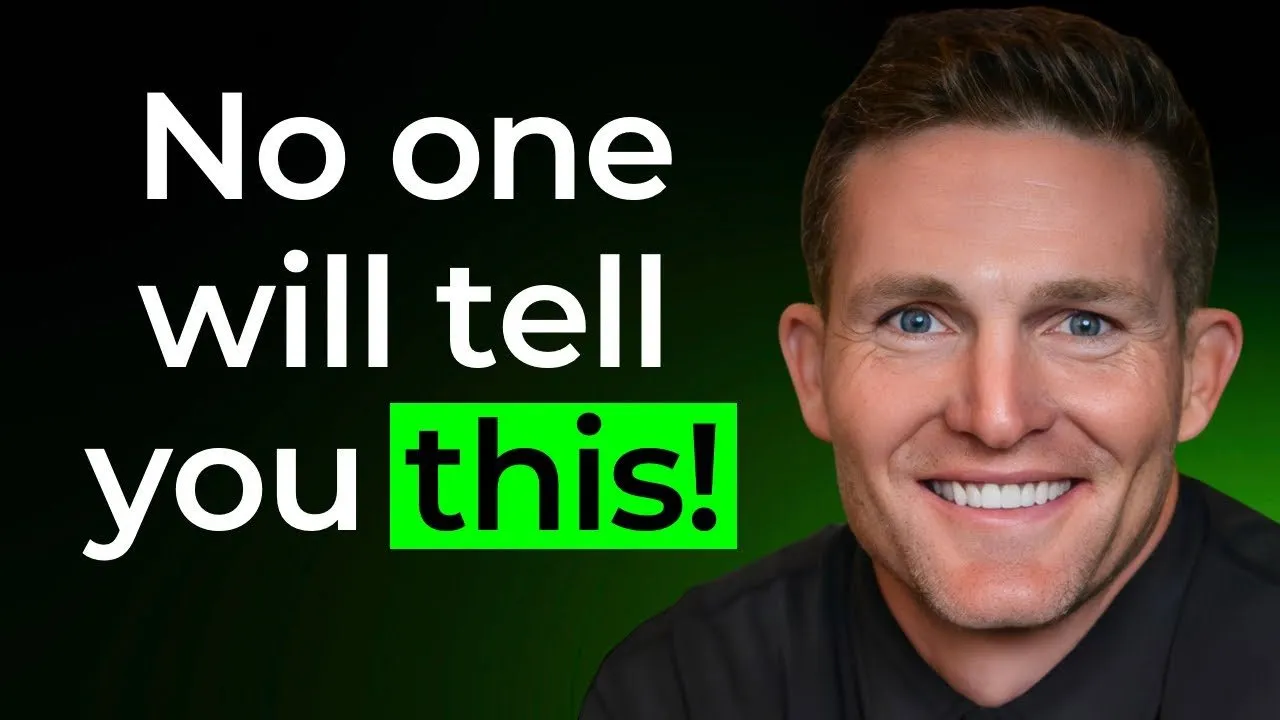

Written by Dan Leibrandt, host of Pest Control Legends and founder of Pest Control SEO
Josh Schiffman owns Sage Pest Control, an eight-figure company with offices in North Carolina and Virginia. On the drive to Chicago for his first summer selling alarms door to door, somewhere around Denver, his wife asked if he was sure he could do this. They had about $200 in the bank.
His dad and his father-in-law had both told him not to go, and there was no base pay. Josh made about $35,000 that summer and $100,000 the next. By his count, he has trained over 3,000 door-to-door reps since.
Around the half-hour mark, I told Josh he’d just given a mini master class on door-to-door. Later he gave me another one on culture.
Who is Josh Schiffman?
Josh Schiffman is the owner of Sage Pest Control, which he built with his business partner, Brandon Grover. He grew up in a small town in central Utah and served a two-year church mission in Northern California, where he jokes he won the largest rejection award. Back home, he was studying business finance when an alarm company came recruiting with free pizza. He went for the pizza and stayed almost a decade, working up to regional manager.
When Brandon, who had been Preventive Pest Control’s very first employee, invited Josh into the pest control company he was starting, Josh said absolutely not. “Pest control is for guys that can’t sell alarms,” he told me, and he admits that was his ego talking. Later, with a free summer, he knocked for Brandon on a Vespa and sold a little over 400 accounts in about two and a half months. Then he told Brandon he wanted in.
Sage started in Utah, which turned out to be a hard place to recruit reps, and they didn’t love the winters, so they moved east, opening Charlotte in 2012, Raleigh in 2015, Greensboro in 2018 and, most recently, Virginia Beach.
Your pitch has to sound like you
Those first weeks in Chicago were rough. Josh was one of the only married guys on the team, he hadn’t made a sale, and almost every day he thought about going home.
The script he’d been taught felt unnatural. When he asked to try it his way, his manager told him not to reinvent the wheel. Josh figured he had nothing left to lose, so he pitched as himself, the fun, happy Josh who jokes around and likes to connect with people. He sold 2 the first day he tried it, which he had never done, and the office gave him a mock round of applause for finally learning how to sell. His goal for the whole summer had been $8,000.
Copying another rep’s style won’t get you his results, Josh says, but you can borrow a piece of it and get a little better. PCM’s door-to-door sales pitch is a solid frame for a script, as long as each rep makes it sound like himself.
Hire people who already know how to fail
When I asked what a new rep needs most, Josh started with hiring. First he looks for someone who’s okay with rejection.
Most of the successful door-to-door reps from Utah, Idaho and Arizona served missions, he said. For 2 years they heard no and got used to it. Lenny Gray told me he knocked doors 7 days a week on his mission, before he ever sold pest control.
Then there’s the star athlete, 6-foot-3 with 2% body fat and a chiseled jaw. Josh’s joking example was my partner Jake Sheldon. That guy has succeeded at everything, and Josh has seen more of them break than succeed, because they’ve never been through the grind of failure. Breton Bess told me he recruits athletes because sports gave them highs and lows, so hear both sides before you settle on a profile.
In interviews, Josh asks what candidates have failed at and how they came out of it. Next he wants hunger. Someone who has failed plenty and still wants more is willing to grind through it. When a rep he’d hired still wasn’t getting sales, Josh shrank the goal. He’d send him out for 5 homeowners’ first names, then have him walk through how he got them.
A no at the door can be next spring’s sale
A lot of reps never ask for contact information when a homeowner isn’t interested, and some big names in door-to-door say it’s a waste of time. To Josh, information is “the new oil.”
In his first pest control summer, plenty of homeowners loved their technician and had no reason to switch. So he’d ask to be on deck. If anything ever happened with John, the tech they loved, would they give Sage a shot? Very few said no.
He kept that list on paper, color-coded with highlighters by the month each person needed a call. In March, before the team even started knocking, he sold 74 of those callbacks.
“If they say no, get a contact, store it up. That’s information. Check back with them. It doesn’t hurt. It doesn’t take much time.”
Today you can drop those contacts into automation, and Sage trained its reps to stay kind at every door so the callback stays possible.
Do it well or not at all
When Josh hit a slump, the voice in his head told him he was the worst salesman ever. He’d step away, clear his mind, say a prayer and picture a perfect door, then skip a few houses and try something different, often humor. In his later years he had his manager drop him off, because on a hot day his air-conditioned car pulled at him like the ring pulls at Gollum.
Growing up, Josh had to sweep the garage, and his dad made him memorize a short poem.
“Once a job has begun, never leave until it’s done. Be the labor great or small. Do it well or not at all.”
Josh sees too many reps quit when they’re closer than they think. A family friend had struggled for 6 weeks selling pest control in the Midwest, so Josh listened to his door approaches on speakerphone and talked through each one with him. One or two small tweaks later, the kid became that company’s top salesman. Asking for help like that, Josh said, takes more courage than keeping it to yourself.
Reward yourself on the way up
Sage was bootstrapped, and paying for door-to-door reps strained the company for its first 5 to 10 years. In 2019, Josh and Brandon dissolved the door-to-door program and started getting into online marketing. Then COVID hit, and the next 2 years turned out to be great for door-to-door because people wanted to talk to people. They still joke about missing that one.
Going from a well-paid rep to an owner put Josh back in poverty, and for years he and Brandon never rewarded themselves, which made the grind harder. Now he tells owners to pick a milestone that feels a little out of reach, celebrate when you hit it, then ask what’s next. For Sage, $1M, $3M and $5M in revenue were each a big deal, even though the companies on the PCT Top 100 are far bigger.
His wife used to make him a poster board every summer with 15 to 30 cutouts, and each milestone let him peek behind one. Sometimes it was a candy bar, and sometimes new shoes, since he wore through about 3 pairs a summer.
Pay for the people who lift everyone else
When I asked about regrets, Josh said he was greedier than he needed to be in alarms. If a recruit wanted a little more commission than his threshold, he said no, even to someone incredible. He watched others make those deals and end up bigger, with more joy along the way. Brandon has always told him this, and Josh counts it among the reasons they’ve worked together for so many years.
“If you push and get people to where they want to go and have them reach their goals, you’ll be that much closer or have already achieved yours.”
Josh applies it to technicians. If a tech wants $25 an hour and you can pay $18, map out how he gets to $25 at your company, even in a different role, and work the math backward. A pace setter can be worth it even if you barely make money on him, because the people around him may perform better.
The Sage Shield
Sage’s culture runs on the Sage Shield, which stands for build, serve, character and courage. Once you put on a Sage work shirt, Josh said, you’re representing the company, not yourself.
For build, employees can read a book that shaped one of Sage’s leaders, write a couple of paragraphs on what they got out of it and one thing they’ll change, and earn Sage Cash for gift cards or swag. They also keep an achievement journal with a weekly objective, a plan, their strengths and one line on what to improve. Most of us could list our weaknesses for hours, Josh noted, and go blank on our strengths.
Serve includes a big community event that every branch tries to hold each year. For one customer’s daughter with a serious health problem, Sage paid for a live band, 4 food trucks and bounce houses, invited employees’ families and customers, and raised money for her. Sage technicians have pulled over to save people at car wrecks and grabbed a little kid who ran out toward the road.
For courage, Sage keeps asking employees what the company should be doing that it isn’t, and why. On the first Wednesday of every month the whole company gets on Zoom, and department MVPs are picked for character and courage as well as numbers. When we recorded, Sage was getting ready to take 40 people on its President’s Club cruise in January.
My take
Listening to Josh on culture, I said it sounds like building people and community, instead of focusing on the company, is how you end up with the best company. “I think so,” he said, and told me about a family friend who thought salespeople were slimy. She joined Sage’s inside sales team while studying to be a dental hygienist and was incredible, and she still tells Josh that job blessed her life.
At Pest Control SEO, we spend our days getting pest control phones to ring, and Josh’s callback list is a reminder that a lead who says no isn’t dead. PCM’s guide to pest control sales pipeline stages makes the case for tracking every lost lead and why you lost it. Whether a lead comes from a door, your Google Business Profile or an ad, the people who say “not right now” belong on that list too.
Josh closed by telling owners to compete against themselves. He thinks we overestimate what we can do in one year and underestimate what we can do in five. His first summer nearly sent him home, and the pest control company he first turned down is now an eight-figure business.
Where to find Josh
Right after Josh told everyone to stay off social media as much as they can, I asked where people could find him on social media. He’s on Facebook and LinkedIn. His email address uses the name Tribos, which he explained means a path worn from repeated use. He doesn’t think anyone has an idea that hasn’t been had before, so get on the right trail and keep walking it.
- Sage Pest Control: sagepestcontrol.com
- LinkedIn: Josh Schiffman
- Facebook: Josh Schiffman



Want more calls from Google?
Book a 30-minute discovery call with Dan to see if we’re a fit.