Pest Control Legends / Episode 26
Preston Peterson on the Alta merger, dropping the ego and what came after the exit


Written by Dan Leibrandt, host of Pest Control Legends and founder of Pest Control SEO
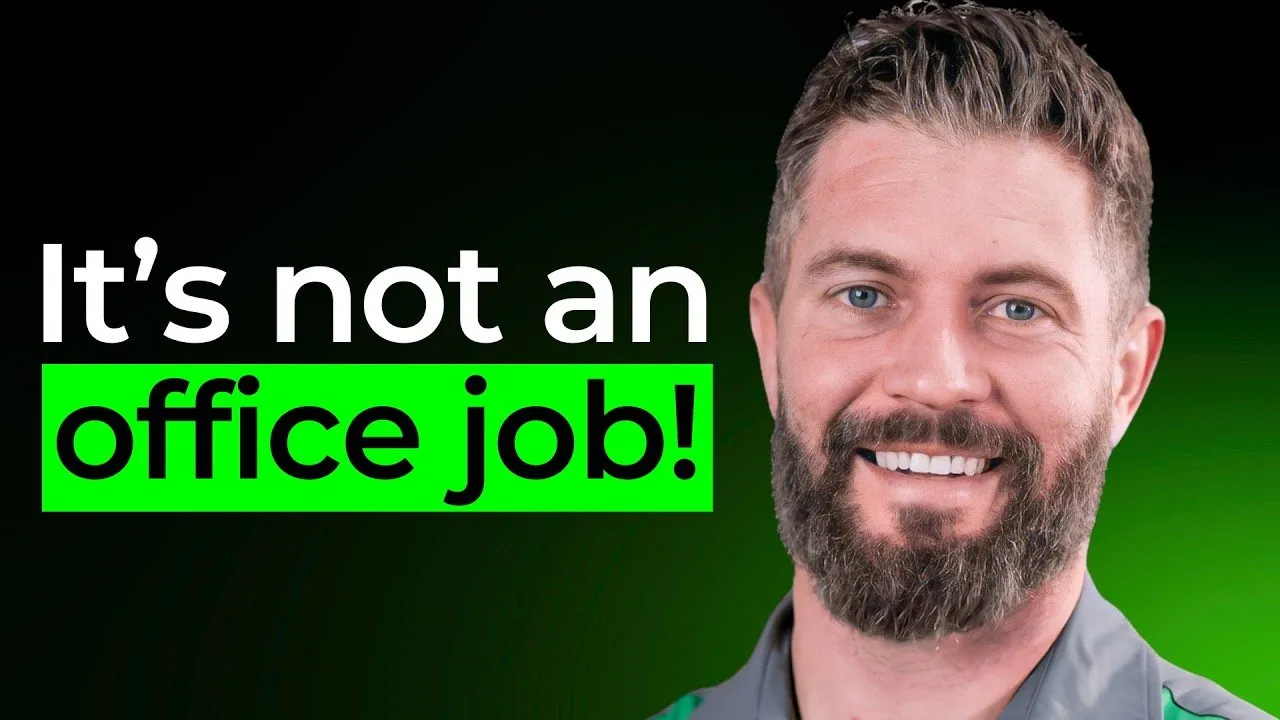
When Preston Peterson got married, he had $200 to his name and no car, no phone and no computer. Today he co-owns Alta Pest Control, #26 on the PCT Top 100, and lives in Puerto Rico. He told me the most depressed he’s ever been came after the money showed up.
I came in ready to talk about the merger of Ardent and Alta, a deal where neither company bought the other. We got to that, and to culture and private equity. Then I asked whether he’d ever had trouble handling success, and he opened up about the hardest stretch of his life.
Who is Preston Peterson?
Preston Peterson is a co-owner of Alta Pest Control and sits on its board. He put Ardent Pest Control on the Inc. 5000 for 7 years in a row, has had six exits in pest control and now owns businesses in several industries.
He came home from a two-year church mission in Brazil, met his wife on the first day of college and married her that May. Broke, he figured he had to sell pest control or go bankrupt. His first summer knocking doors, he sold about 240 accounts in 2 months. “I was good. I wasn’t great,” he said.
After 3 years of knocking for other people, he dropped out of college and started his own company in 2007 or 2008, right into the recession, with $7,000 and some 0% credit cards. He sold at night and serviced homes the next morning. That summer his pregnant wife spent 10 weeks on bed rest and ran the whole company from bed with a laptop and a cell phone.
For about the next decade, he built companies and sold them every few years. He calls himself a 20-year overnight success.
One plus one can equal three
Private equity kept approaching Ardent, and brokers told Preston a slightly bigger company would get a bigger multiple, so he started looking for a company to merge with. I dug into how size affects multiples with Paul Giannamore.
At the PCT Top 100 awards ceremony, he met the Langlois brothers, Chris, Mike and Tyler, who owned Alta. Something just fit. Ardent had San Antonio and Dallas, Alta had Austin, and both were in Oklahoma City. Ardent’s strengths were its inspector program and technician sales program, while Alta had a really good door-to-door team and a better inside sales team.
Neither company needed the other, and the talks cooled off more than once, but together they could get a really good private equity deal. When PCT magazine interviewed Preston and Chris, the reporter said that in 15 years he’d never seen a strategic merger where nobody bought anybody out. To Preston it was simple. Both sides could see a better long-term opportunity together than apart.
They planned to go private equity in 2 or 3 years and got there much sooner. Preston and Chris started as co-CEOs. Once private equity came in, after 20 years of running companies, Preston handed the job to Chris, took a board seat and went to help with his wife’s nutrition supplement business. He thinks Alta has about tripled since.
Ego keeps owners small
Operators run the businesses, Preston said, but private equity sees the bigger picture, a model Brent Agee described to me from inside a private equity-backed platform. Plenty of owners insist on doing it their way or keeping their name on the logo. Preston would rather help the 400 or 500 people Alta employs. “But we all fight to stay small,” he said.
When I asked him to explain, he said we don’t want to lower our egos or use someone else’s better idea when our name isn’t on it. Some of his best business ideas came from his employees and his co-owners.
“There’s no amount of success that you can’t have if you’re willing to not have all the glory for yourself.”
Owners who insist on 100% ownership are driven by ego, he says, not growth. Once he started doing partnerships, he grew way faster and made way more money.
I see this in the Pest Control Millionaires program too. Some owners will set their ego aside and copy what Jonas Olson does, because they know he knows things they don’t. Jonas has also run the numbers on what staying small costs an owner.
Success should make you listen to more people, not fewer, Preston said. Alta is somewhere around a $60M to $75M company now, and Preston isn’t running routes, so he asks managers and technicians before big decisions.
A culture worth a tattoo
Three Ardent technicians, none of them owners, had the company’s name tattooed on their bodies.
Door-to-door companies are often great to their sales reps and not to anyone else, and Preston never saw why it had to be that way. Every year his company ran a self-improvement program for all of its employees. In November challenges, people gave up a bad habit and picked up a couple of good ones, with a big group chat for support. Several people quit alcohol or smoking, and at least one said it finally stuck after 10 years of trying.
Before each summer, the company sent a care package to every employee’s spouse to recognize the long hours ahead. Preston can’t count how many spouses messaged to say, “I’ve never had anyone care about me at my husband’s job.” Spouses came on reward trips too.
I told him I don’t think you can fake care like that, and asked what he looks for in leaders. He said it comes down to whether they actually believe your core values.
“If you bring and elevate leaders that don’t believe in your core values, then you don’t believe in your core values.”
Teach people to earn more
Preston told his technicians he was limited in what he could pay on an hourly or production basis, but they weren’t limited in what they could earn. He could pay them more if he taught them to sell, get reviews and keep customers, and he has knocked doors alongside technicians to teach them.
One technician sold $300,000 to $400,000 in rodent work in a year. Preston called those “the happiest checks I’ve ever paid” and brought her up into leadership.
Lower your culture to the effort level of your weakest employees, he said, and your best people leave.
He says one of three things is always happening. The business is outgrowing its people, the people are outgrowing the business, or both are growing together. The third is where it gets fun.
You can’t skip the early years
If he started over, Preston would raise money, do acquisitions and build fast. But he has watched people try that before they’ve learned enough, and many sell for pennies on the dollar. Each company he built taught him to become the person who could run a $5M business, then $10M, then $20M. Skip that beginning phase, he said, and the bigger phases expose you.
Once, he thought he was about to lose a business. One of the 8 biggest companies in pest control backed out of a deal 3 days before closing. His team needed that money for back-end payments. They dropped their brick-and-mortar offices and went fully remote, back when nobody did that, and made the payments. Preston sees that trial as a blessing from God. When COVID hit, his team had already been remote for 4 years.
The hardest stretch came after the exit
After selling a minority stake in Alta to private equity, Preston and his wife moved to Puerto Rico, and he stepped back from her nutrition business for a while. He went from hundreds of employees whose livelihoods depended on his decisions to not being in any business at all.
“I was the most depressed that I’ve ever been in my life. And I was making way more money than I had ever made in my life.”
Some people come out of an exit overconfident. Others get imposter syndrome, which Preston has felt several times. He also lost a lot of money day trading.
Knocking is an action verb
When I asked how he got out, Preston warned me he might get emotional. He had been called as one of three teachers for early-morning seminary, a 6:20 a.m. class for about 30 young people at his church in Puerto Rico. Seeing how much they cared, what they were going through and how he could make a difference for them changed things for him. On Jonas Olson’s podcast, he has shared other moments when he believes God’s hand made the difference in his businesses.
Moving to Puerto Rico had checked off the last item on his and his wife’s vision board, a beach home. For about 6 months he prayed for direction without writing a new board, and he admits he wasn’t doing his part. He brought up the scripture about asking and receiving, knocking and having it opened, and said knocking is an action verb.
That December he made a new board with a goal of owning equity in two more businesses, and he cut out distractions like day trading. Within a week, a former employee texted him. By January they were partners in the man’s new garage door company, which was on pace to grow 8x that year when we recorded.
He and his wife say they’re blessed so they can be a blessing, and he measures his businesses with two questions.
“Can I look in the mirror and still say I’m the person that God wanted me to be? And can I look in the mirror and say I’ve been able to help other people along the way?”
My take
I told Preston this was one of my favorite podcasts I’ve done. As he said, people talk all the time about getting success and almost never about what to do once you have it. Any owner chasing an exit should hear that part.
I’ve been trying to get into the Bible more, and the day before we recorded I’d read the parable of the widow who kept going back to an unjust judge. On the show I said most people don’t know what they want, aren’t asking for it and won’t work for it. Preston had been asking for months. What changed was writing down what he wanted and going after it.
On the business side, I’d steal his approach to tech pay. Techs who learn to sell and ask for reviews earn more, and the steady reviews they bring in keep a Google Business Profile ranking. Chris Anderson of Applause made the case on the show for paying techs per review.
Where to find Preston
Preston admits he’s “pretty basic” online, so send him a DM on Facebook or Instagram. The week we recorded, he was talking with 4 or 5 people just to see how he could help.
- Website: Alta Pest Control
- Facebook: Preston Peterson
- Instagram: @preston_peterson848
- LinkedIn: Preston Peterson

Want more calls from Google?
Book a 30-minute discovery call with Dan to see if we’re a fit.