Pest Control Legends / Episode 29
Tony Hoffman and Greg Lake on taking Rumble Pest Solutions from $40K to $12M


Written by Dan Leibrandt, host of Pest Control Legends and founder of Pest Control SEO
In 2017, four guys put in $10,000 each and started Rumble Pest Solutions in Springdale, Arkansas. Two of them moved there sight unseen. Tony Hoffman, one of those four, told me they were cash flow positive in about 2 months and profitable in about 6.
Nine years later, Rumble does $12M a year and just made the PCT Top 100 for the first time. Tony came on the show with Greg Lake, who became CEO in August 2025 after overseeing close to 3,000 door-to-door reps at TruGreen.
After 4 months of due diligence, Greg concluded that Rumble “really doesn’t have the indicators of a traditional door-to-door company.” A lot of our conversation was about why.
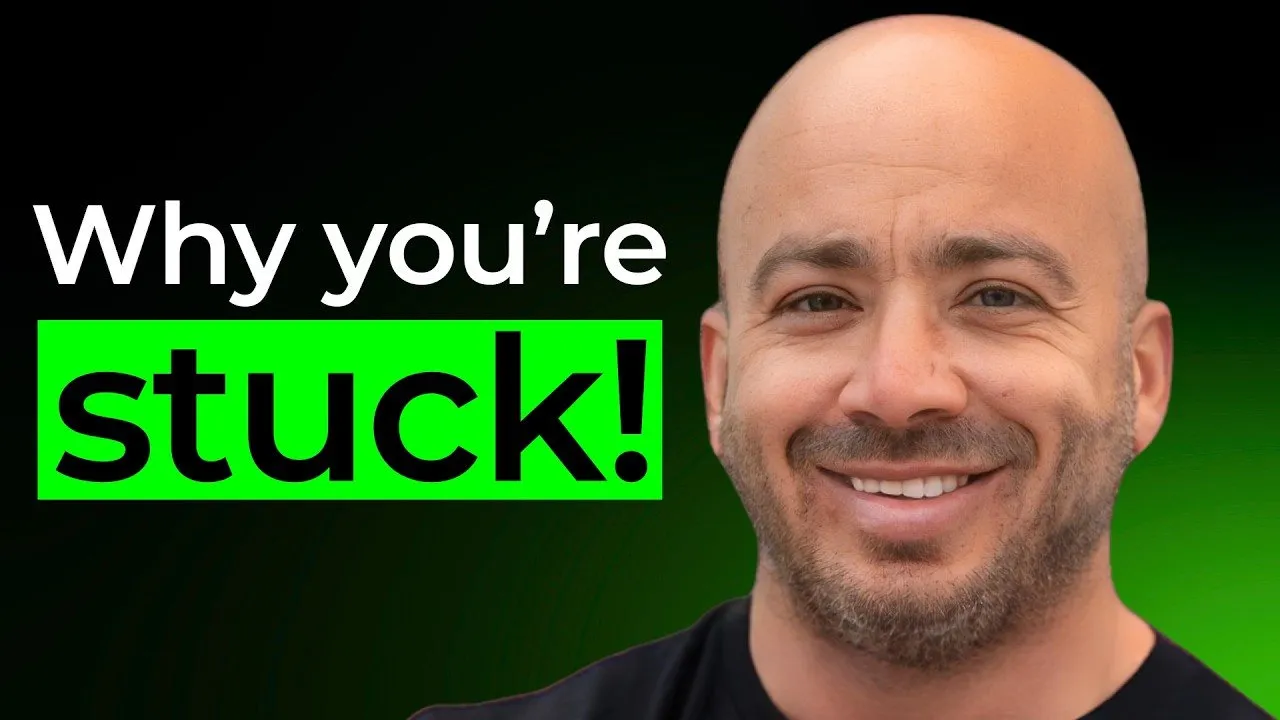
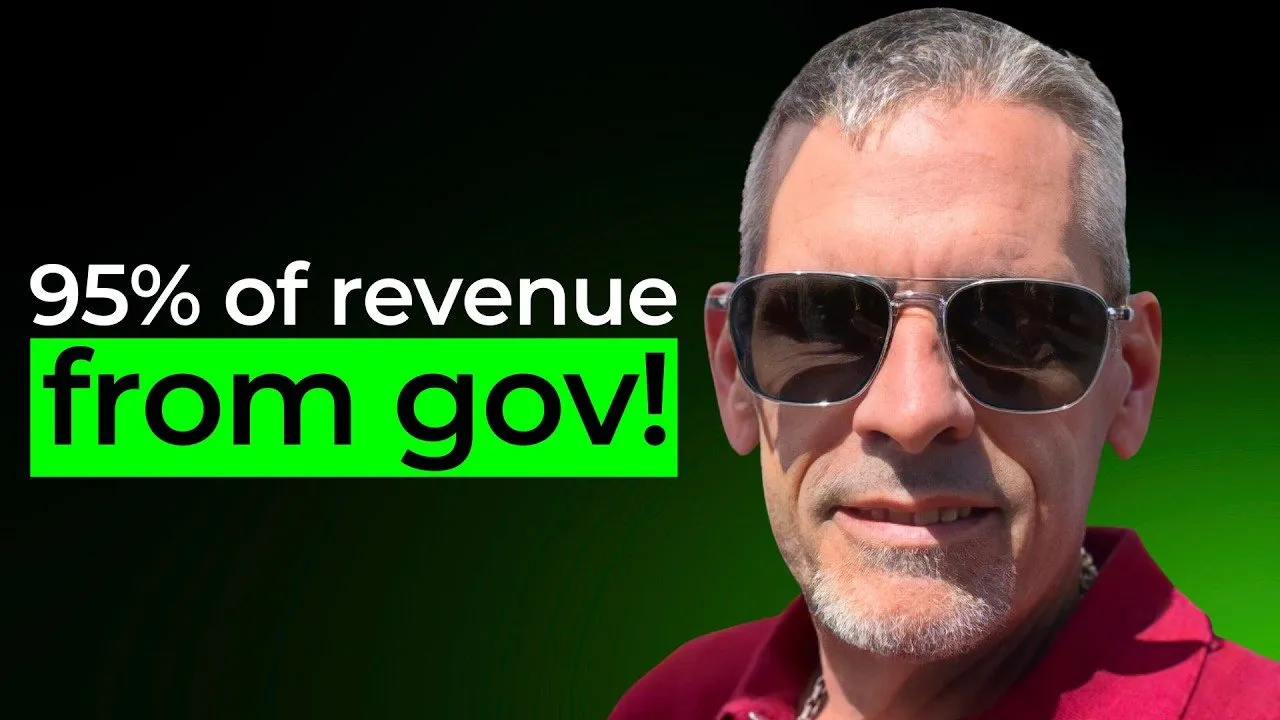
Who are Tony Hoffman and Greg Lake?
Tony Hoffman is a co-founder of Rumble Pest Solutions and runs its acquisition side. He started as a broke college student selling for Lenny Gray in Utah, finished that first summer as the top salesman and swore he’d never do pest control again. This is his 21st summer, and he’s also a partner in several other pest control companies.
Rumble started over lunch. Tony and his partner, Austin Harris, had started a company in Dallas, which they ended up selling. Two of their sales guys, Devin Cluff and Colton Miller, wanted to open a one-time-service company in Utah. Tony told them it was the worst pest control program he’d ever seen. Why not go to Northwest Arkansas, he asked, and start a company there together?
Greg Lake started at ChemLawn, before it became TruGreen, as a part-time telemarketer while he looked for a “real job.” He stayed about 20 years as the business grew from $200 million to a billion dollars, holding every position up to region manager. He later ran DeerTech, a deer deterrent company, for a private equity group, then returned to TruGreen as VP of sales across 200 branches. Rumble brought him in as CEO in August 2025, when Dynamic Core Capital Partners (then Dubin Clark) backed the company.
Every decision runs past two customers
One of Rumble’s 5 core values is being customer obsessed, and Greg’s team will tell you there are two customers. The external one pays the bill. Everyone on payroll is an internal customer.
Before a price increase or a new benefit, Tony said, they ask first whether it makes life better for the associate, then how it lands with the paying customer.
Greg took it down to something as small as winter work jackets. The cheaper ones were thinner and less water and wind resistant, and the natural thought is that techs will rip them anyway. Instead, the leadership team asked how an associate would feel getting the cheap one, compared with a jacket that cost $10, $20 or $25 more that he’d be proud to wear.
Whether people go home proud is one of Rumble’s big pressure tests. An unhappy tech goes home to a wife who starts asking why he still works there. Ryan Marshall of Vinx made the same case for investing in your people on his episode, and Preston Peterson’s company sent a care package to every employee’s spouse before the summer.
A customer you keep counts like a sale
Rumble’s sales teams were its biggest growth driver on the way to $10M. But anybody can get sales, Tony said. He could hire a third party to knock doors. What Rumble focused on as it scaled was keeping customers.
“You’re going to lose a certain percentage no matter what you do. And those are sales that you have to put back on every single year just to stay where you’re at.”
So Rumble invested heavily in operations and customer care. A few days after a service, someone from the CSR team calls to go over what was done and ask if the customer is happy. Tony figures a customer who calls to cancel has lost sight of the value, so every service is a chance to resell it.
Rumble even has a name for the point a customer has to get past. They call it the cliff. Tony said most companies have a much better chance of keeping a customer who makes it to the 18 to 24 month mark, and Rumble’s own numbers show customers are far more likely to stay once they pass 18 months. In the months before that mark, they do whatever they can to get people across.
The French fries have to taste the same
Greg didn’t walk into a mess. When he audited each department, every question he asked got some version of “Oh yeah, we got that.” He says he’s no stronger an operator than Tony. What he brings is experience running at scale.
Rumble is going from 3 branches to 5, and Greg’s team is writing SOPs so a tech could move to another branch and fit right in, with the trucks loaded the same way and the same service steps. It goes down to the uniform and what the tech says at the door. “The French fries in Springdale have to taste like the French fries in our new location,” Greg tells the team.
His reasoning starts with the customer. If one tech does the visit one way and the next does it differently, the customer wonders whether they were treated right the first time. Meet the same expectation every time and the consistency itself adds value. I told Greg that was a really good point, and a new way for me to think about service.
Hire reps who grew up working
Tony calls door-to-door a sure bet for a new company, because you don’t pay anything until you get the sale. Instead of bringing in 50 reps for volume, Rumble sends a 12 to 15 person team into a market and gets picky about who’s on it. A lot of companies want flashy talkers with big personalities, and those reps can do really well. Rumble’s best, though, have been hard workers from small towns who grew up on farms or doing manual labor. They can teach the skill set, Tony said, but they can’t teach work ethic.
The costs are real. Door-to-door customers can be expensive to acquire, especially through a third party, and they have traditionally churned more than customers who come in through digital or traditional advertising, which is why the cliff matters so much.
Greg added a point I hadn’t given much thought. Private equity looks at retention, margins and EBITDA, and companies built mostly on knocking doors have traditionally traded at a lower multiple than those that grow through digital or inside sales. So the faster growth can cost you when it’s time to sell. Paul Giannamore walked me through how buyers arrive at those multiples in his interview.
Greenfields first, acquisitions second
In a new market, Rumble goes heavy on door-to-door for 2 or 3 years, then starts cross-selling and adds acquisitions for route density. When we recorded, two greenfields were set to open from scratch in May. Greg walked me through the order. Sign the lease, hire a manager and techs, ship in the trucks and send in the sales crew. The first customer would be signed on May 1 and serviced on May 2.
Rumble had done one acquisition and hoped to add 2 or 3 more by the end of the year. Greg said they look at 2 or 3 deals a week. Each goes through a scorecard that covers culture, service mix and geography, plus the numbers Tony checks, like gross margin, the mix of general pest and termite customers and recurring revenue. As Greg likes to say, sometimes the best decision is no. Once a deal clears a screen like that, PCM has a checklist and timeline for the rest of the pest control acquisition process.
Run a partnership like a marriage
Greg said very few door-to-door companies understand that selling the work is easy and servicing it is very difficult. Rumble started with two operations minds, Tony and Austin, and two sales minds, Devin and Colton, and that balance built customer relationships along with revenue.
Tony said the four of them have had plenty of disagreements, but they always treated the partnership like a marriage, with each partner putting the others’ needs above his own. When I asked how you spot a good partner, Tony went straight to humility.
Under $1M, pick two or three numbers
Rumble tries to focus on 12 or 15 KPIs, but Tony told smaller owners to pick the 2 or 3 that matter most and get good at those first. PCM keeps a list of pest control KPIs to choose from. Tony also warned against comparing yourself to bigger companies, because an owner doing half a million can look at Rumble’s $12M and decide he’ll never get there.
Greg sees owners go it alone too long. You can stay up until midnight at the dining room table pushing out invoices, or you can get a good night’s sleep and think about the next 6 months. When you’re running 200 branches, Greg said, not every manager succeeds, and the ones who do know how to delegate without giving up the follow-up. Adding people can cut into profit for a while, and you have to invest anyway. We push the same idea in the Pest Control Millionaires Facebook group.
The soccer game test
Greg describes culture as the personality of the organization. A UPS driver who walks into the office should feel something, even if he can’t name it. Rumble now interviews around its core values, and its version of excellence is agreeing not to be mediocre. Greg’s integrity example is the tech at 5:30 on a Friday who still pulls out the pole to dust the eaves when he’d rather go home.
Tony’s test is simpler.
“Are they ashamed to wear that logo to the soccer game for their kid, or that they have to quickly take their shirt off because they’re not proud of the culture? Or do they wear that pridefully to the soccer field?”
My take
Tony and Greg both told me there are no secrets in pest control, only execution, and I agree with them. Everybody wants the top 5 secrets nobody else knows, and nothing in Rumble’s retention playbook would qualify. Any owner could make a follow-up call and run the same service on every visit. Rumble built its whole operation around actually doing it.
Greg’s French fries rule reaches past the truck, too. Before most customers ever see a uniform, they’ve seen your Google Business Profile and your website, and those should look and sound like the company that shows up at the door.
I spend my days on inbound leads, so I paid attention when two operators who built on knocking doors told me digital customers churn less and buyers have traditionally paid more for companies that grow that way. If trying a new channel feels risky, remember what Greg tells his team. No mistake is going to sink the company, because everything they do is a $50 transaction.
Where to find Tony and Greg
Rumble is an open book, as Tony put it, and they often take calls from owners who are just getting started and give free advice. LinkedIn and Facebook are the best places to find Tony. When Rumble rebranded around the theme of unbeatable service, it also bought unbeatableservice.com (Greg wouldn’t say what they paid), which points to the Rumble site.
- Website: Rumble Pest Solutions
- LinkedIn: Tony Hoffman
- Facebook: Tony Hoffman
- LinkedIn: Greg Lake

Want more calls from Google?
Book a 30-minute discovery call with Dan to see if we’re a fit.